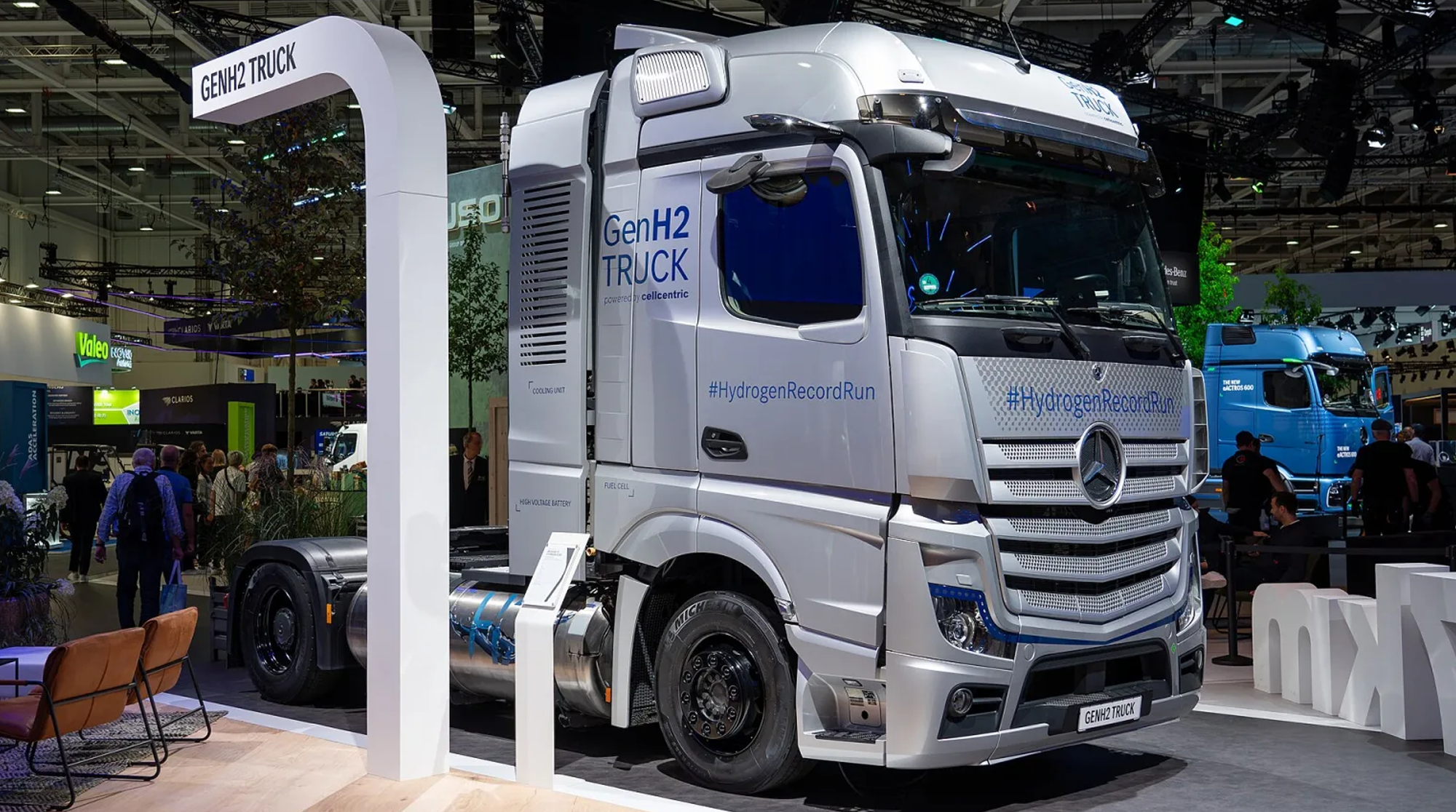
Daimler Truck, Volvo Group, Toyota Motor Corporation, Bosch, Air Liquide, TotalEnergies, TEAL Mobility and MB Energy have unveiled a co-ordinated plan at IAA TRANSPORTATION 2026 to build a full-value-chain hydrogen ecosystem across Europe.
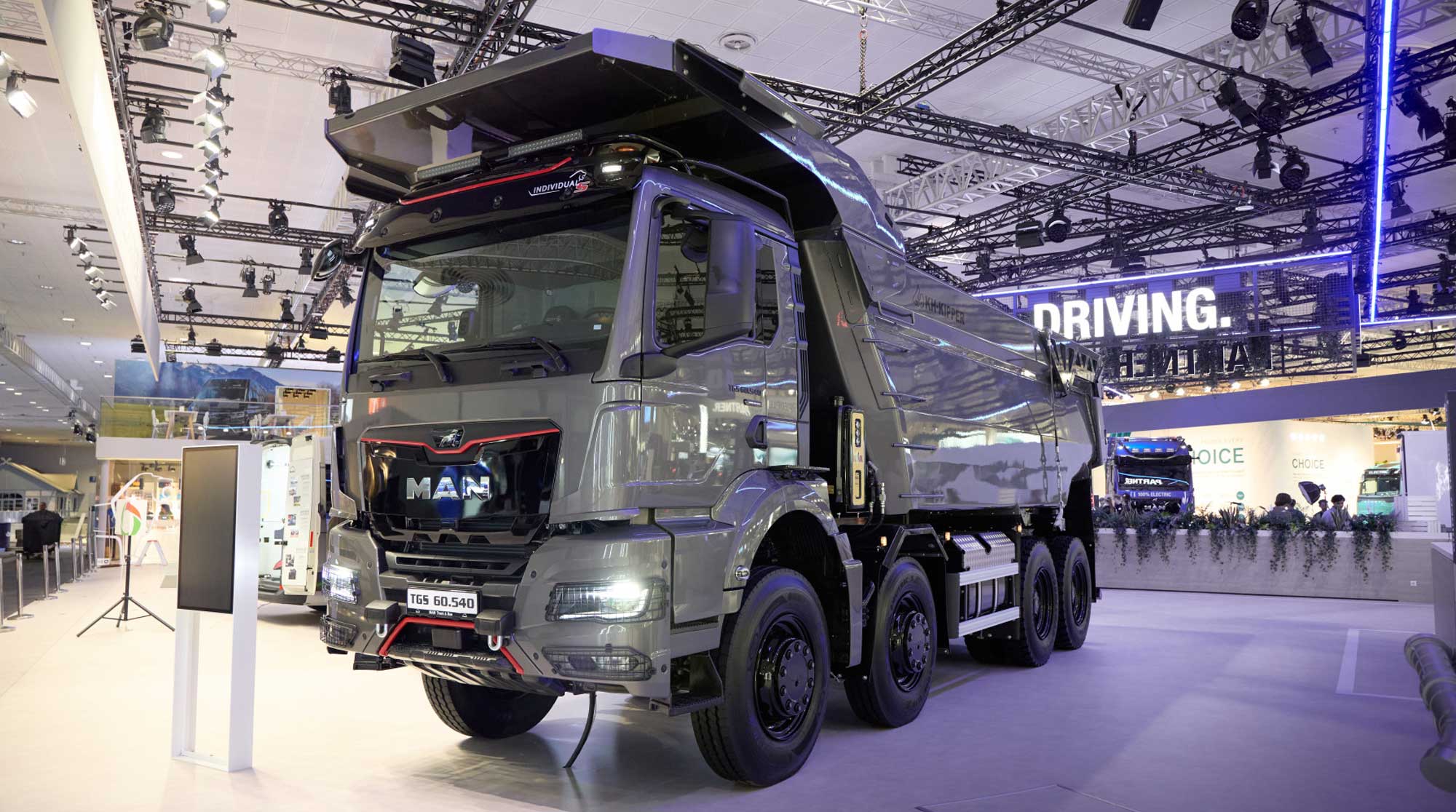
Germany is positioned as the launchpad, with the partners seeking to establish a model that can subsequently be replicated across Europe. Daimler Truck plans to deploy a 100-vehicle small series of next-generation fuel-cell trucks from the end of 2026, while Volvo is advancing both fuel-cell and hydrogen-combustion trucks towards 2030. Toyota will provide fuel-cell technology expertise, while Bosch contributes vehicle components and hydrogen refuelling technology.
On the infrastructure side, the partners are working towards high-capacity refuelling stations capable of serving up to 100 trucks per day, covering both liquid and gaseous hydrogen.
The commercial equation is equally important. The initiative identifies three levers for competitiveness: lower truck costs through incentives and series production, diesel-competitive hydrogen prices, and operating incentives such as zero-emission toll exemptions. Germany's latest funding round has attracted applications for more than 70 high-capacity stations and 800 heavy-duty trucks.
Why It Matters:
Hydrogen trucking is entering a more decisive phase. The challenge is no longer simply developing the vehicle, but synchronising production, refuelling, hydrogen supply, fleet economics and policy across the entire value chain.