Reading Time: 1 Minute
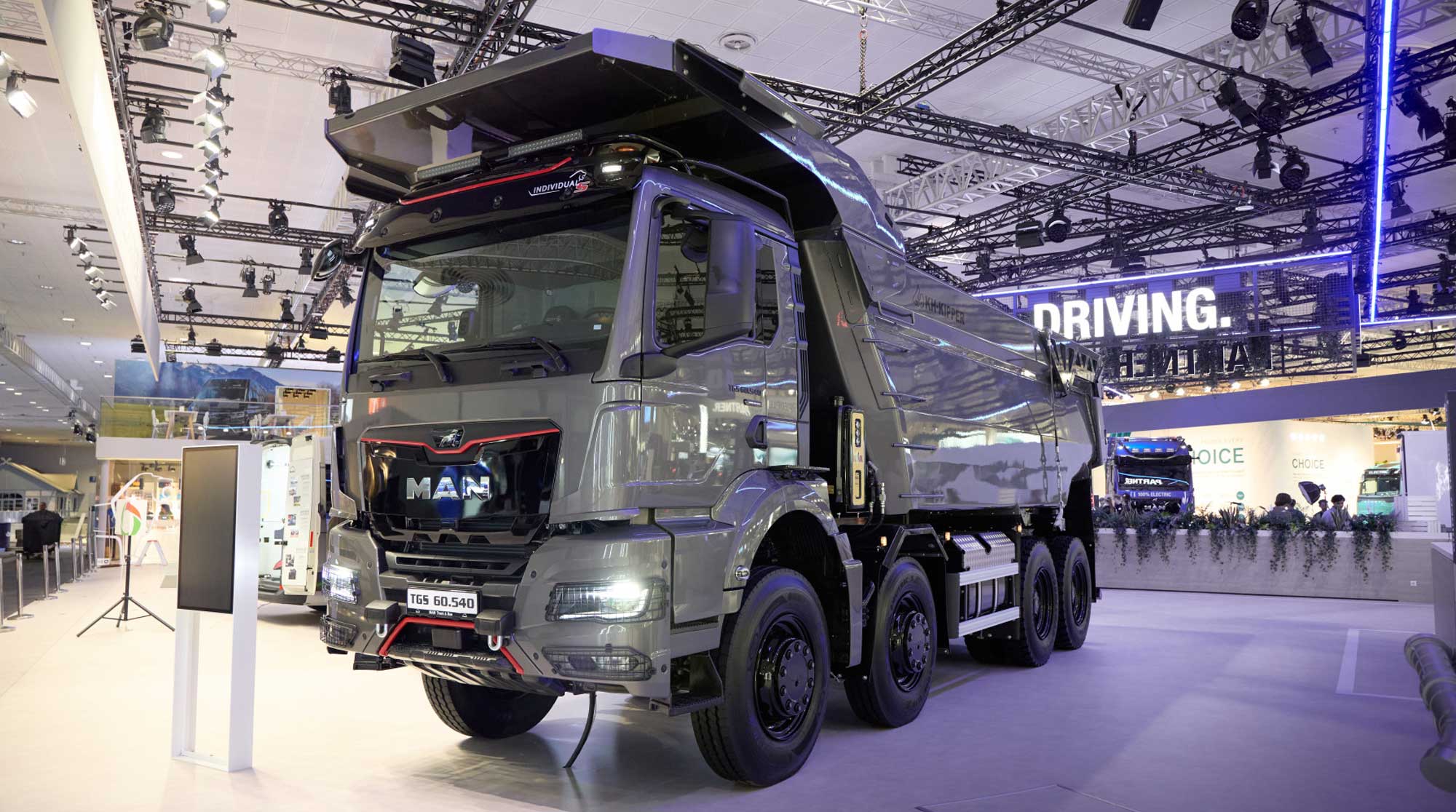
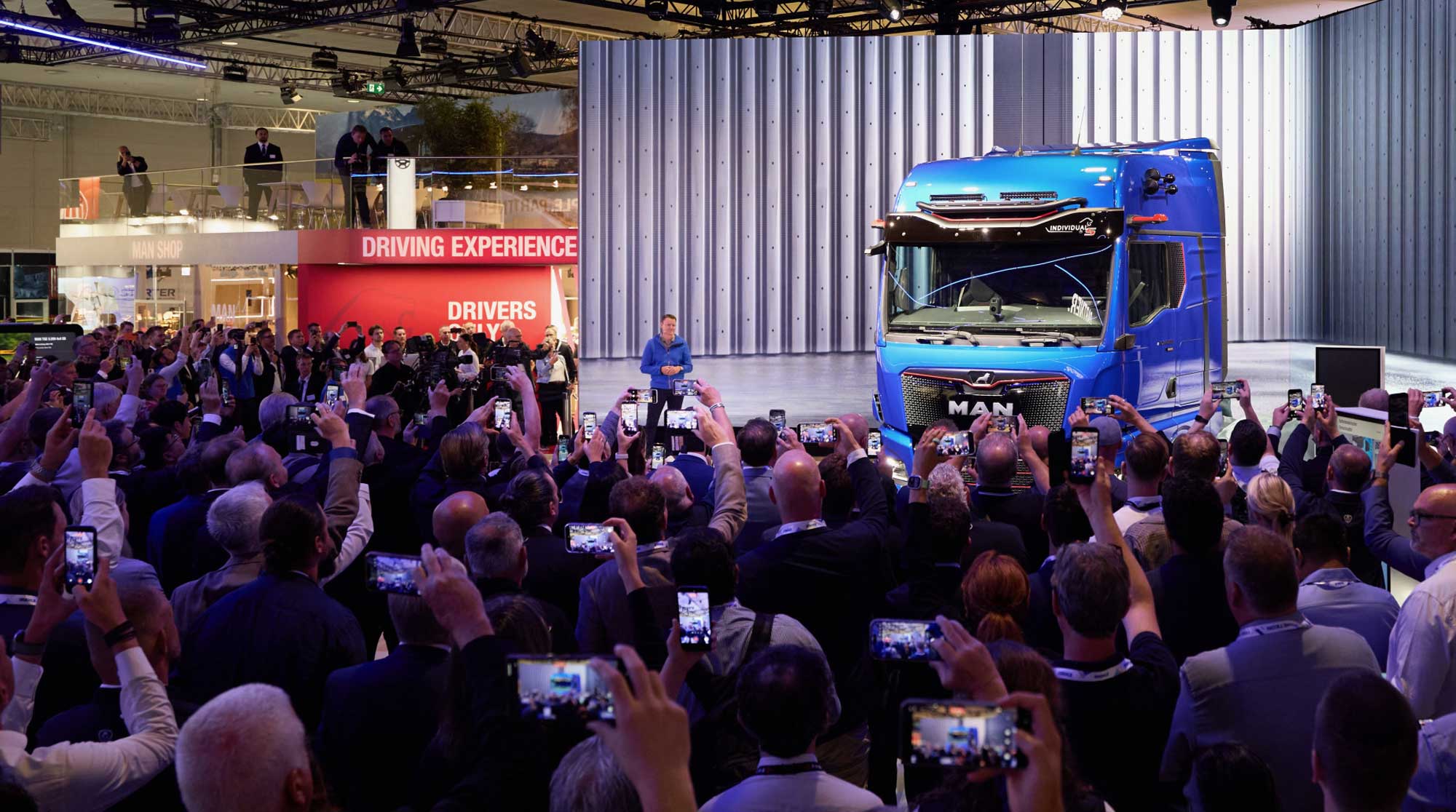
More than 150 world premieres and new products were presented in Hanover, spanning battery-electric, hydrogen, digital, autonomous and other commercial-vehicle technologies. The event attracted 1,589 exhibitors from 46 countries and more than 140,000 visitors.
But the stronger message emerging from the exhibition was not simply the breadth of innovation. Industry leaders used the platform to highlight the growing disconnect between vehicle readiness and deployment conditions.
Charging infrastructure, hydrogen refuelling networks, electricity grids and competitive energy prices remain essential to scaling alternative powertrains. The event also demonstrated growing market interest, with 8,500 test drives conducted across 84 vehicles — 40 percent more vehicles than in 2024.
The contrast is becoming clearer: manufacturers and suppliers are increasingly demonstrating workable technologies, while the supporting ecosystem is being asked to catch up.
Why It Matters:
IAA 2026 shifts the commercial-vehicle conversation from “Can the technology work?” to “Can the ecosystem support it?” The next phase of transport transformation will depend not only on vehicle innovation, but on infrastructure, energy economics and deployment readiness moving together.