“Sometimes you just don’t like somebody.”
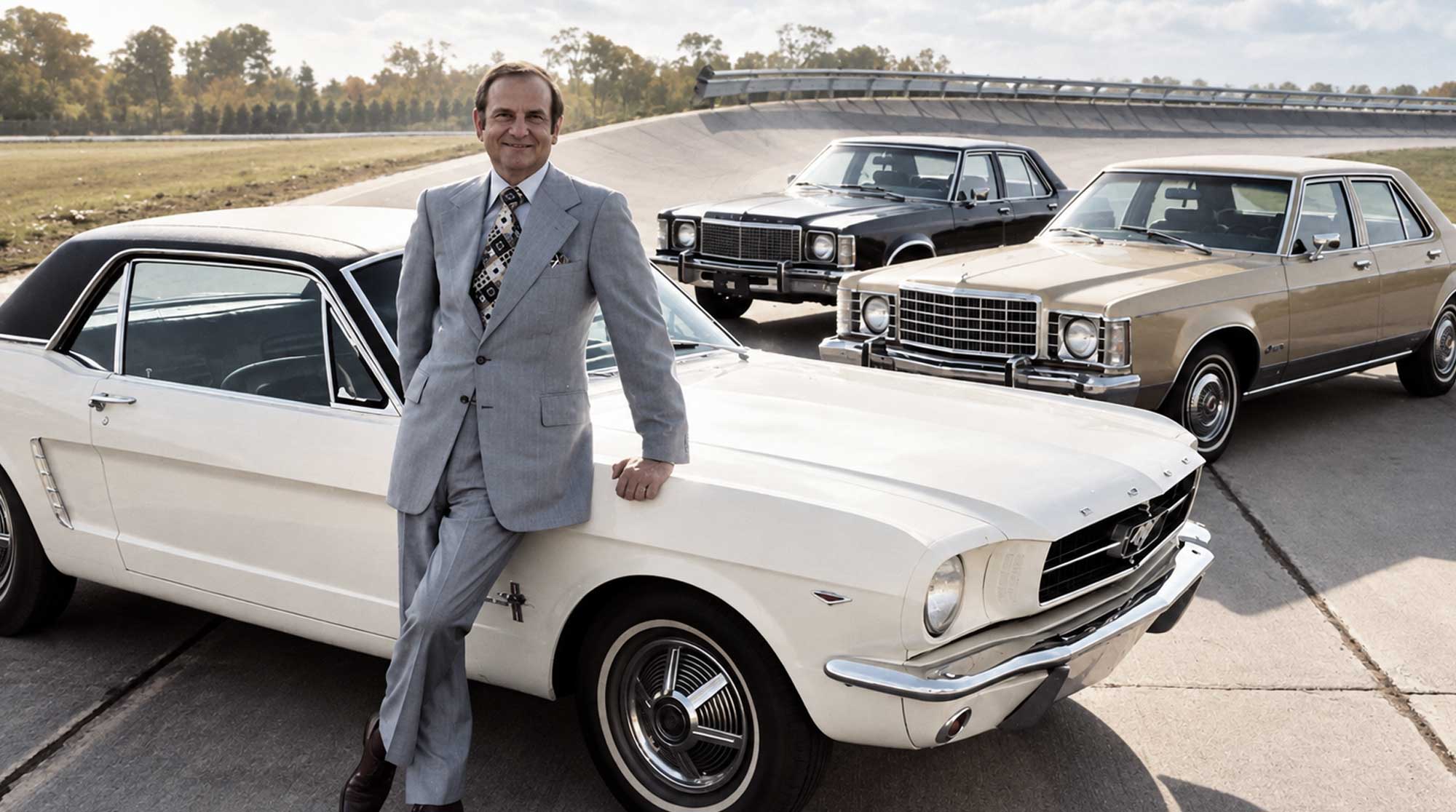
Few words could have delivered a more devastating verdict on a career built on ambition, achievement and commercial success. The man on the receiving end was Lee Iacocca (Lido Anthony "Lee" Iacocca), Ford’s president and the executive who championed the legendary Mustang. The remark, famously attributed to chairman Henry Ford II, would become one of the most enduring lines in automotive corporate history.
Born on 15 October 1924, Iacocca rose through Ford’s ranks to become one of America’s most influential automotive executives. He understood that a car could sell more than transport: it could sell identity, aspiration and freedom. The Mustang became his defining triumph. Then, at the height of his career, came the fall.
The Mustang Moment
Launched in April 1964, the Ford Mustang became an instant sensation. Its sporty styling, accessible price and extensive personalisation options captured a new generation of buyers. Iacocca had championed the project, helping create a car that transformed Ford’s image and established a new segment in the American market.
The Mustang’s extraordinary first-year sales confirmed his instinct for understanding consumers. But success could not protect him from a deepening clash with Ford chairman Henry Ford II.
The Fall at Ford
On 13 July 1978, after 32 years with the company, Iacocca was dismissed as Ford’s president. The split followed mounting tensions over leadership and the company’s future. He formally left Ford that October, on his 54th birthday.
For an executive who had helped deliver one of the industry’s greatest product successes, the dismissal was a brutal reversal. Many might have stepped away from the business. Iacocca chose another battle.
Chrysler’s Fight for Survival
In November 1978, Iacocca became president of Chrysler, a manufacturer heading towards financial disaster. Losses mounted, confidence evaporated and bankruptcy threatened the company’s future.
He moved aggressively, cutting costs, restructuring operations and negotiating concessions with workers and other stakeholders. He also sought federal loan guarantees, secured in 1980, to keep Chrysler alive.
The recovery depended on more than financial rescue. Chrysler needed cars people wanted to buy. Models such as the K-cars and its pioneering minivans helped rebuild sales and restore competitiveness. By 1983, Chrysler was repaying its federally backed loans seven years ahead of schedule.
The executive dismissed by Ford had helped bring a rival back from the brink.
The Legend Endures
Iacocca’s life was a rare automotive drama: the creation of an icon, a humiliating corporate rupture and a comeback that reshaped an ailing manufacturer. His legacy reaches beyond the Mustang and Chrysler’s recovery. He showed how product vision, forceful leadership and commercial instinct could influence the fate of an entire company.
Lee Iacocca died on 2 July 2019, aged 94. His story remains a reminder that in the automotive world, a career’s most defining chapter may begin just when another appears to end.