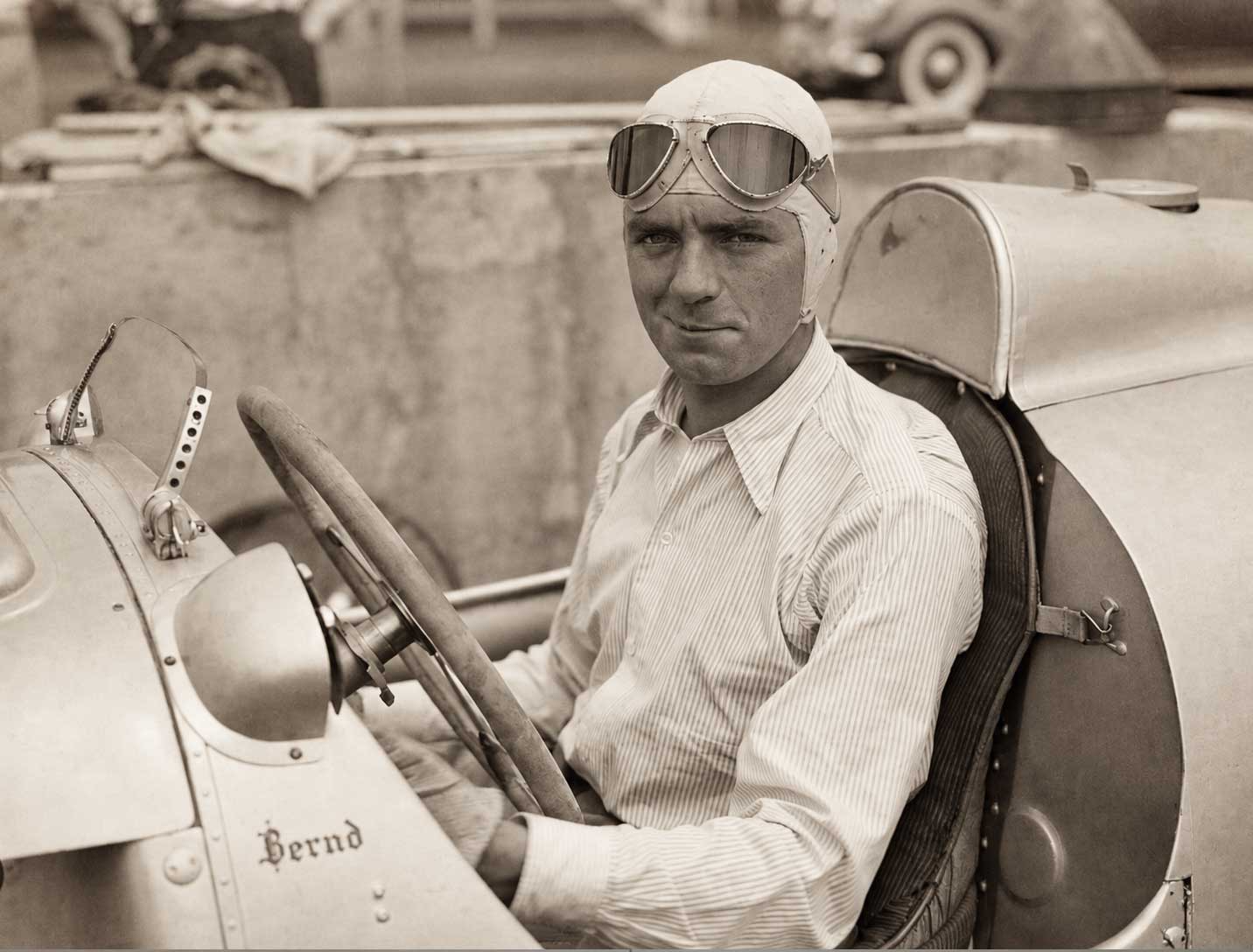
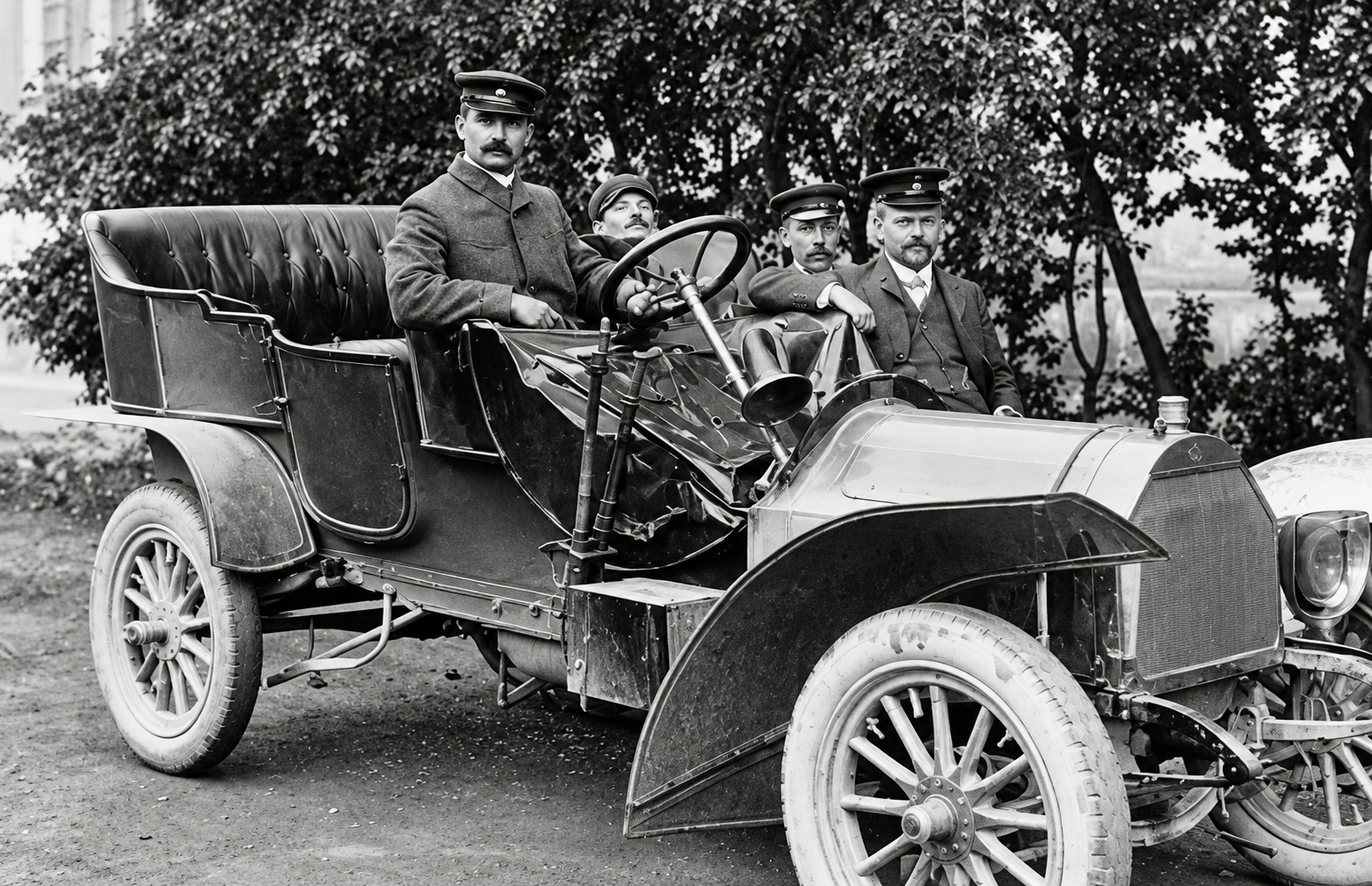
On 9 October 1988, German inventor Felix Wankel died in Heidelberg, aged 86, leaving behind an engine concept that had challenged the dominance of conventional reciprocating-piston engines.
Wankel began exploring rotary power in the 1920s, seeking a smoother alternative to the reciprocating piston engine. His breakthrough came through collaboration with NSU. In 1957, the DKM prototype became the first working Wankel engine, although its rotating housing made it impractical for automotive production. NSU subsequently developed the more practical KKM configuration, with a fixed housing surrounding the rotating triangular rotor that became the foundation of production Wankel engines.
The technology reached the road with the NSU Wankel Spider, introduced in 1964 as the world's first production car powered by a Wankel engine. Three years later, NSU launched the technically advanced Ro 80, while Mazda introduced the Cosmo Sport, beginning a remarkable Japanese commitment to rotary power.
Mazda eventually became the technology's most famous champion. Its rotary-powered cars included the Cosmo, RX-7 and RX-8, with the lightweight, compact engine becoming particularly celebrated for its high-revving character and distinctive power delivery.
Wankel's legacy therefore extends beyond one engine design. He helped demonstrate that the fundamental architecture of the internal-combustion engine itself could be radically reimagined.