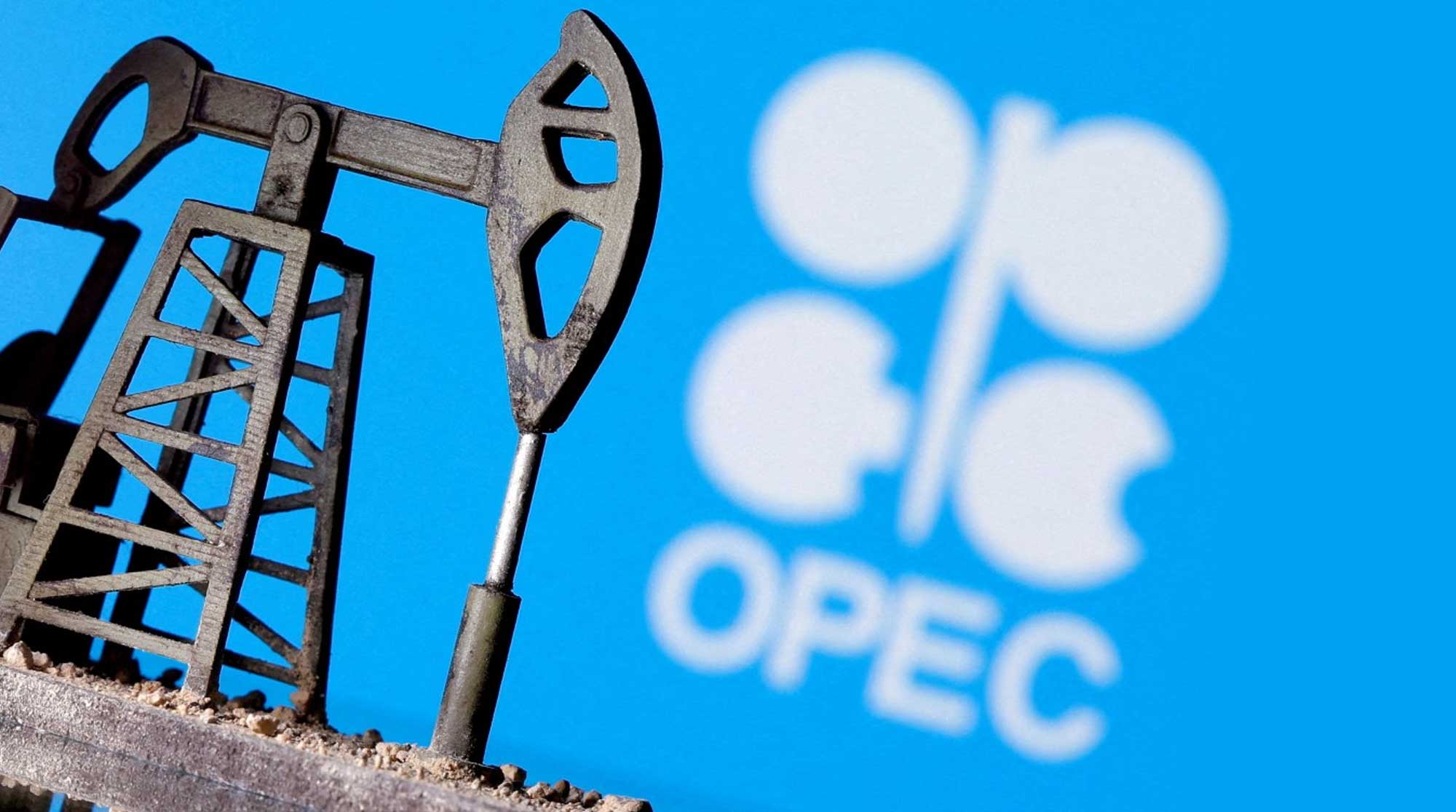
On 14 September 1960, the Organization of the Petroleum Exporting Countries (OPEC) was founded at the historic Baghdad Conference in Iraq. Representatives of Iran, Iraq, Kuwait, Saudi Arabia and Venezuela gathered at Al-Shaab Hall between 10 and 14 September, ultimately establishing an organisation intended to coordinate petroleum policies and safeguard the interests of oil-producing nations.
OPEC's formation came at a time when major international oil companies exercised considerable influence over oil production and pricing. The five founding countries sought greater control over their natural resources and a stronger collective voice in the international petroleum market.
OPEC initially established its headquarters in Geneva, Switzerland, before moving its Secretariat to Vienna, Austria, in 1965. Over subsequent decades, its influence expanded far beyond petroleum, affecting energy security, transportation costs, industrial activity and global economic policy.
For mobility, OPEC's creation was particularly significant: oil would remain the dominant energy source for road transport for much of the 20th century, making petroleum markets a crucial factor in the evolution of automotive and commercial transportation.