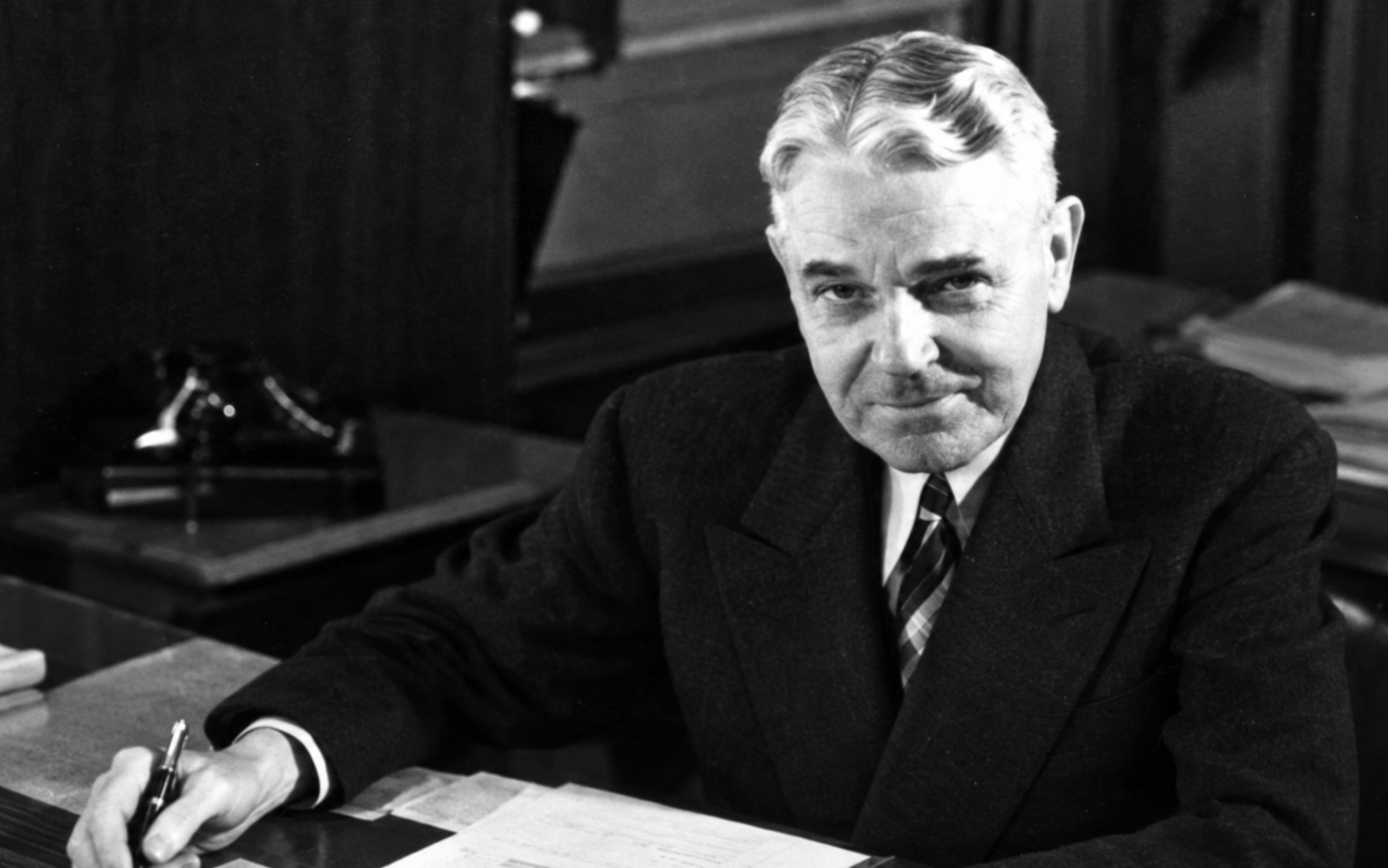
On 20 October 1883, Karl Probst was born; his work helped shape the Jeep.
In the summer of 1940, as war engulfed Europe, the US Army needed a lightweight reconnaissance vehicle capable of crossing punishing terrain. Its deadline was daunting. The prototype had to be ready in just 49 days.
A Plan Under Pressure
American Bantam Car Company, a struggling manufacturer in Butler, Pennsylvania, accepted the challenge. Its chief engineer, Harold Crist, brought in Detroit-based freelance engineer Karl Probst to develop the design. Probst worked at extraordinary speed, producing detailed drawings in roughly two days and helping Bantam prepare its bid.
The result was the Bantam Reconnaissance Car, a compact four-wheel-drive machine designed for military versatility. The first prototype was completed in September 1940 and delivered for Army testing. It demonstrated the promise of a vehicle that could carry troops and equipment across difficult ground.
From Prototype to Legend
Yet the story took an unexpected turn. Although Bantam had delivered the original prototype, the Army needed a vehicle that could be manufactured on a far larger scale. Willys-Overland and Ford subsequently became central to mass production, adapting and developing the design. Bantam’s pioneering role was overshadowed, even as its original concept helped establish the vehicle’s foundations.
The Jeep went on to become one of the defining vehicles of the Second World War. Its compact proportions, rugged construction and remarkable mobility made it indispensable across battlefields. After the war, it found a new life in civilian transport, agriculture and recreation.
Probst died in 1963, but his contribution remains part of this extraordinary engineering story. The Jeep was never the work of one man alone. It was the product of a team, a demanding deadline and an idea whose time had come.