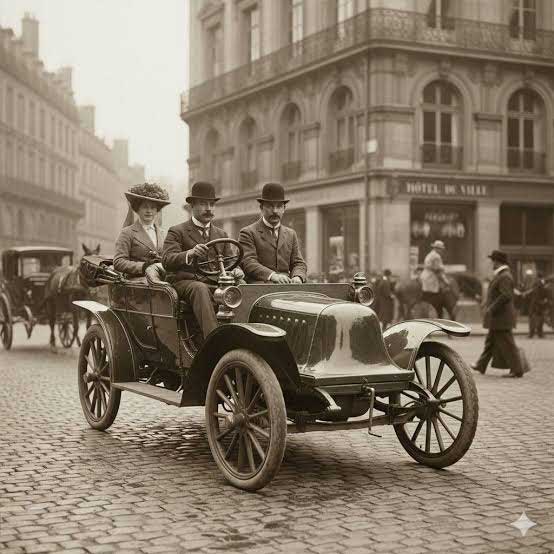
On 26 September 1810, Jean-Frédéric and Jean-Pierre II Peugeot officially founded the Peugeot family business in Hérimoncourt, France, transforming their family’s hydraulic mill into a steelworks. The enterprise initially focused on steel products, including tools, saw blades and springs, long before the Peugeot name became synonymous with vehicles.
The family steadily diversified. Peugeot began producing coffee mills in 1840, while its steel expertise extended into umbrella ribs, corset frames and clock components. Bicycles followed in the 1880s, establishing an early connection with personal mobility.
The decisive automotive chapter began in 1889, when Armand Peugeot presented a steam-powered three-wheeler developed with engineer Léon Serpollet at the Paris World Fair. In 1891, the Type 3 became Peugeot’s first series-produced automobile, with 64 examples built. By then, a century of metalworking experience had already given the family a strong industrial foundation for entering the emerging world of motorised transport.