Reading Time: 4 Minutes
The hot season is not simply a test of the driver. It is a test of the vehicle's maintenance discipline. A small weakness in cooling, tyres, brakes or electrical systems can quickly become a costly roadside failure. For fleet operators, seasonal maintenance is ultimately about protecting safety, uptime, component life and operating efficiency.
1. Keep the Cooling System Cool
The cooling system is the first line of defence against excessive engine temperature. Inspect the radiator, coolant level and condition, hoses, belts, thermostat and fan or fan clutch. In dusty operating environments, dirt and debris can restrict airflow through the radiator and cooling pack. Keep these areas clean using the manufacturer's recommended procedure and look for leaks, damaged hoses or deteriorating belts.
Never ignore a rising temperature gauge or repeated coolant loss.
2. Give Tyres Extra Attention
High ambient temperatures make tyre condition and correct inflation particularly important. Check pressures when tyres are cold and inspect the tread and sidewalls for cracks, cuts, bulges and uneven wear. Do not overlook trailer tyres or dual-wheel assemblies. Check for stones or debris trapped between dual tyres and ensure wheel nuts, rims and tyres are in good condition.
Incorrect pressure can increase heat build-up, accelerate wear and raise the risk of tyre failure.
3. Check Brakes and the Air System
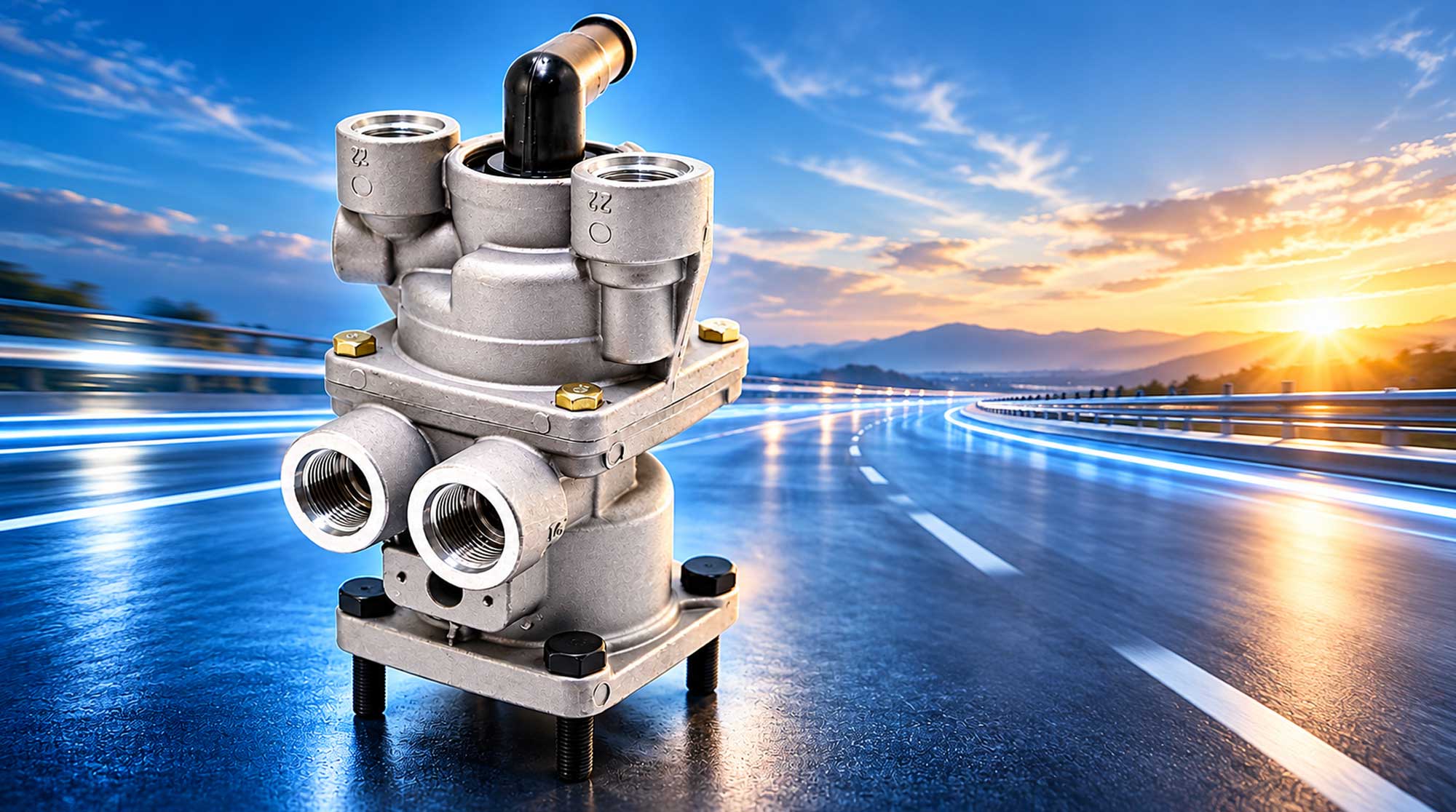
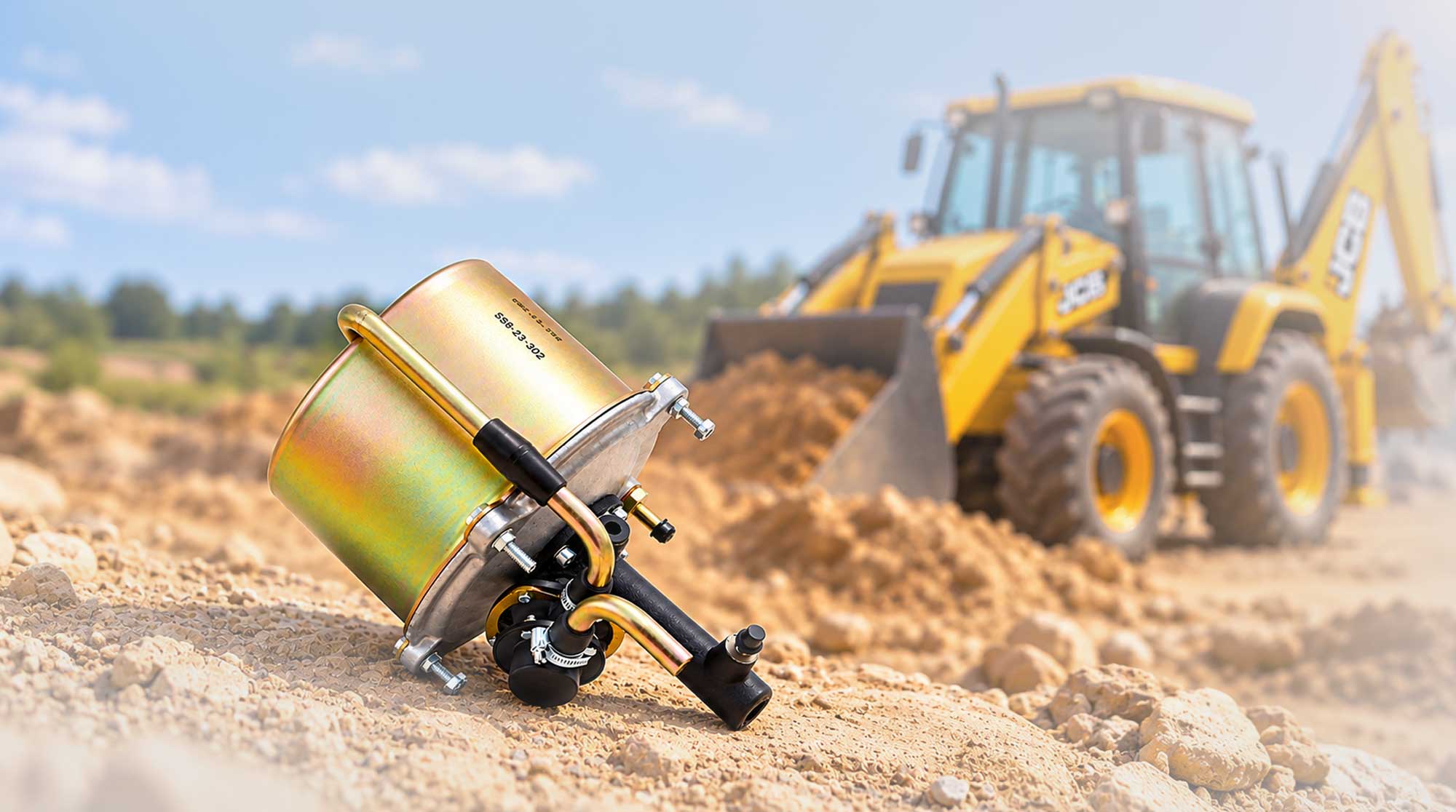
Heat, heavy loads and frequent braking can place substantial demands on commercial-vehicle braking systems. Inspect brake pads or shoes, discs or drums, air lines, brake chambers, slack adjusters and connections. Check the air compressor and air dryer, and investigate any unusual pressure loss or leakage.
For trailers, ensure the braking system, ABS components and air connections are functioning correctly.
4. Protect the Battery and Electricals
Extreme heat can accelerate battery deterioration. Inspect the battery, terminals and connections for corrosion, looseness or damage. Also examine wiring harnesses, lighting circuits, fuses and trailer electrical connections. Make sure headlamps, indicators, brake lights, rear lights and reflectors are clean, secure and operational.
A minor electrical weakness can become a major problem when a vehicle is operating far from a workshop.
5. Watch the Filters, Fluids and Engine
Dust is an unavoidable challenge across many MEA operating environments. Inspect the engine air filter and air-intake system regularly, particularly when vehicles operate in dusty or off-road conditions. Check engine oil, coolant and other fluids at the intervals specified by the vehicle manufacturer. Inspect for leaks and use lubricants and replacement filters that meet the manufacturer's specifications.
Preventive replacement is almost always preferable to repairing damage caused by neglect.
6. Keep the Cabin Cool
For long-haul drivers, air-conditioning is more than a comfort feature. It supports driver wellbeing during prolonged operation in extreme heat. Check A/C performance and inspect the relevant belts, filters and components. If cooling performance deteriorates, investigate the problem before the vehicle begins a long journey.
7. Give the Trailer Its Own Check
A trailer should never be treated as an afterthought.
Inspect tyres, brakes, suspension, wheel ends, lights, reflective markings, air and electrical connections, landing gear, coupling components and the trailer frame. Pay particular attention to load security and weight distribution. A mechanically sound tractor cannot compensate for an improperly secured or overloaded trailer.
Dubai's Roads and Transport Authority (RTA), in its 2026 Trailer Safety campaign, identified worn tyres, defective rear and side lights, missing rear reflective stickers and unsafe loading among notable trailer defects. The campaign reached 1,500 heavy-vehicle drivers across Dubai.
MEA MAINTENANCE ALERT
- Heat + Dust + Distance + Load = Accelerated Wear
- These four conditions can work together to increase stress on cooling systems, tyres, brakes, batteries, filters and suspension components.
- The lesson: A maintenance schedule designed for normal operating conditions may require more frequent inspection when vehicles work continuously in severe environments.
THE RTA CHECK
Dubai RTA's 2026 summer guidance calls for regular vehicle inspection and maintenance, highlighting A/C efficiency, engine oil and coolant, tyre pressure and condition, braking systems, vehicle cleanliness and visibility. It also advises checking for faults and leaks before they become serious problems. For trailers and heavy vehicles, RTA's current safety requirements and inspection guidance place particular emphasis on tyres, brakes, lighting, reflective markings, load security and safe trailer operation.
The message extends well beyond Dubai: Inspect before the heat exposes the weakness.
BEFORE YOU ROLL
Tyres → Brakes → Coolant → Oil → Battery → Lights → A/C → Air System → Trailer Coupling → Load Security
A few minutes of inspection can prevent hours lost at the roadside.
MAINTENANCE MATTERS TAKEAWAY
A truck rarely fails without warning. Heat, vibration, dust and heavy-duty operation often reveal problems that have been developing quietly. A disciplined pre-trip inspection, supported by preventive servicing and manufacturer-recommended maintenance, can turn a potential roadside breakdown into a workshop repair—or better still, prevent it altogether.
In extreme operating conditions, maintenance is not an expense. It is uptime protection.
Research sources: Dubai Roads and Transport Authority (RTA); OEM maintenance recommendations.