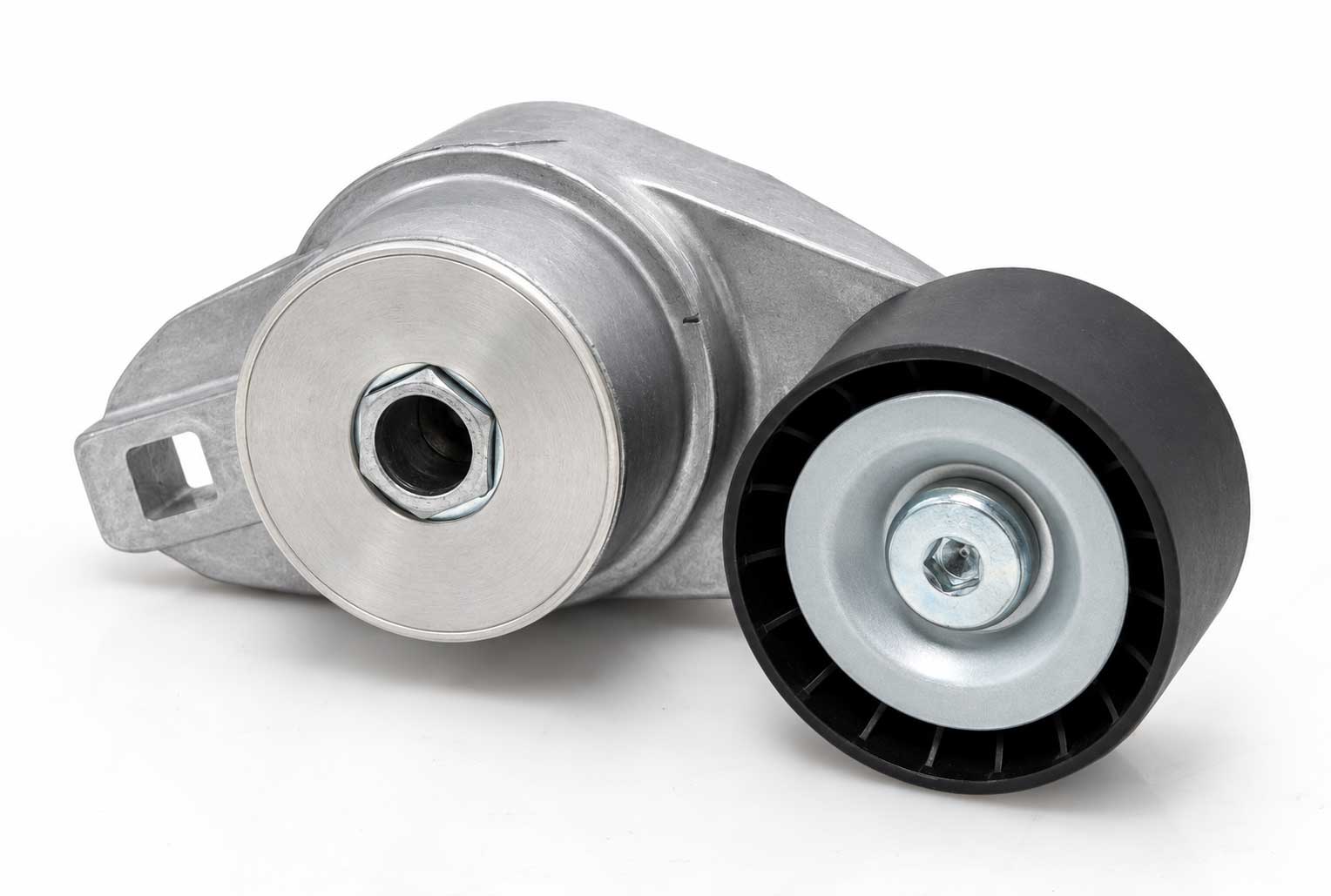
A heavy-duty truck engine depends on more than the components inside the engine itself. Around it, an accessory drive system transfers power from the crankshaft to essential systems such as the alternator, water pump and air-conditioning compressor. At the centre of this continuous process is a relatively compact but critical component: the belt tensioner. Its job is simple to describe but demanding to perform—maintain the correct belt tension and alignment as engine speed, load, temperature and operating conditions change.
Keeping the Drive on Track
The engine drive belt is constantly in motion. It experiences vibration, changes in speed, thermal expansion and gradual wear during operation. The belt tensioner continuously compensates for these changes, applying the required force to keep the belt securely engaged with its pulleys. Too little tension can allow the belt to slip. Too much can place unnecessary loads on the belt, tensioner, bearings and accessories. The tensioner therefore maintains an essential balance between belt grip, smooth operation and component protection.
What Makes a Belt Tensioner Important?
In a heavy-duty commercial vehicle, the accessory drive can operate for thousands of hours under demanding conditions. A dependable tensioner helps maintain stable operation throughout this duty cycle.
Its key functions include:
- Maintaining belt tension — helps keep the belt correctly engaged with the pulleys.
- Compensating for belt movement — responds to changes caused by vibration, acceleration and deceleration.
- Managing thermal expansion — helps accommodate changes in belt behaviour as temperatures vary.
- Reducing belt slip and vibration — supports smooth and consistent power transmission.
- Protecting connected components — helps prevent excessive loading on accessory bearings and pulleys.
How the Tensioner Works
A typical heavy-duty belt tensioner incorporates a tensioner arm, spring or tensioning mechanism, pulley, bearing and mounting arrangement. Depending on the vehicle and engine application, it may be automatically tensioned or manually adjustable.
During engine operation, the tensioner applies controlled force to the belt. As belt tension changes, the tensioner responds to movement and vibration, helping maintain contact between the belt and the pulley system. The pulley guides the belt along its accessory-drive path, while the bearing allows smooth rotation with minimal friction.
This continuous response is particularly important in heavy-duty applications, where high temperatures, vibration, dust and long operating hours place sustained demands on the accessory drive.
When Tension Goes Wrong
A belt tensioner operates within a narrow functional balance.
If the belt becomes too loose, it may slip across the pulleys. This can contribute to belt noise, reduced accessory performance, overheating, premature belt wear and, in severe cases, belt failure. If the belt becomes too tight, unnecessary load can be transferred to the belt, tensioner, bearings and connected accessories, potentially accelerating wear.
A correctly functioning tensioner helps maintain the balance required for reliable accessory-drive performance.
The Accessories Depend on It
The belt tensioner may not generate power itself, but it helps determine how reliably engine power reaches the systems that support vehicle operation.
Depending on vehicle design, belt-driven accessories can include:
Alternator → Water Pump → Air-Conditioning Compressor → Other Auxiliary Components
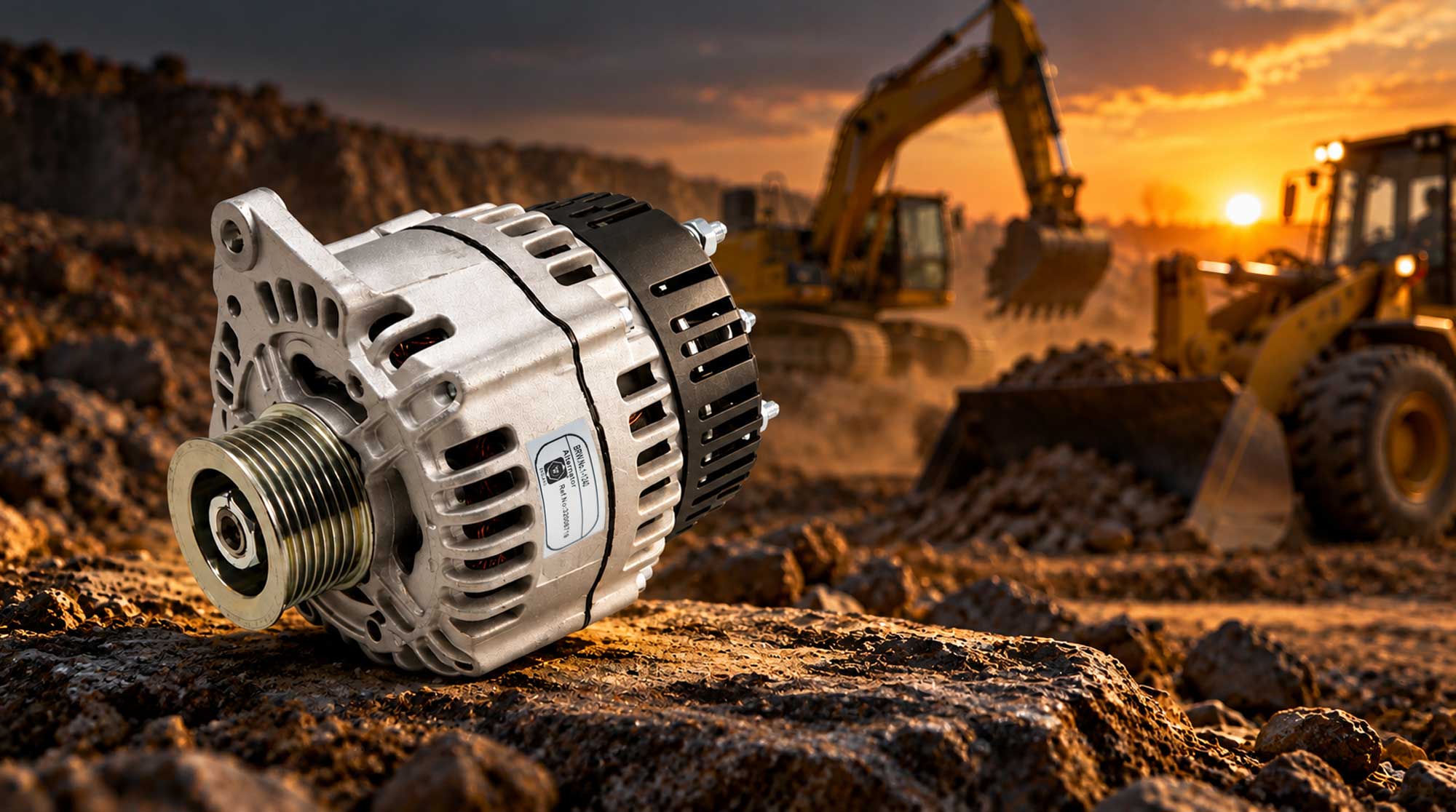
The alternator supports the vehicle's electrical system. The water pump supports engine cooling. The air-conditioning compressor supports cabin climate control. The tensioner helps keep the drive belt transmitting power consistently to these components.
Why Quality Matters
For commercial fleets, a belt tensioner is a small component with a system-level responsibility. Accurate belt control, dependable tensioning, smooth pulley operation and durability can all contribute to reliable accessory-drive performance. A well-engineered tensioner can help reduce premature belt wear, unwanted vibration and the risk of belt-related downtime.
BRW Belt Tensioners are designed for demanding commercial vehicle applications, with attention to fitment, durability, functional performance and consistent quality.
The Part Behind the Power
The belt tensioner does not attract attention when everything is working correctly.
That is precisely the point. It works continuously in the background, responding to changing conditions and helping keep the accessory drive operating as it should. For a heavy-duty truck covering long distances under demanding loads, that quiet control can make a significant difference.
- A belt needs the right tension.
- The accessory drive needs the right control.
- And the truck needs both to keep moving.
The belt tensioner may be a relatively small part of the engine accessory drive system—but its role in maintaining reliable power transmission is anything but small.
Thought to Take Away
The best-performing parts are not always the ones that make the most noise. Sometimes, reliability comes from the components quietly keeping everything in balance.