How AfCFTA Is Redrawing Africa's Logistics Map
For generations, crossing an African border often meant long delays, multiple customs procedures and unpredictable logistics costs. Today, a different vision is emerging. Rather than dividing markets, borders are gradually becoming gateways to one of the world's largest integrated trading regions—and freight transport is leading the transformation.
The African Continental Free Trade Area (AfCFTA) brings together 54 countries into a single market of more than 1.4 billion people with a combined GDP exceeding US$3 trillion. While trade agreements are often discussed in economic terms, their real impact is measured on roads, railways, ports and logistics hubs. Every reduction in border friction creates new opportunities for freight operators, manufacturers and commercial vehicle markets across the continent.
Why This Matters
- AfCFTA is creating the world's largest new free trade area by participating countries.
- Regional trade will increase demand for trucks, logistics services and modern freight infrastructure.
- Faster border movement benefits manufacturers, exporters and fleet operators alike.
Key Insights
- 54 countries participate in AfCFTA.
- More than 1.4 billion people are part of the emerging single market.
- Combined GDP exceeds US$3 trillion.
- Regional trade is expected to drive significant demand for commercial vehicles and logistics services.
- Infrastructure and digital connectivity are becoming twin pillars of Africa's freight transformation.
A New Geography of Freight
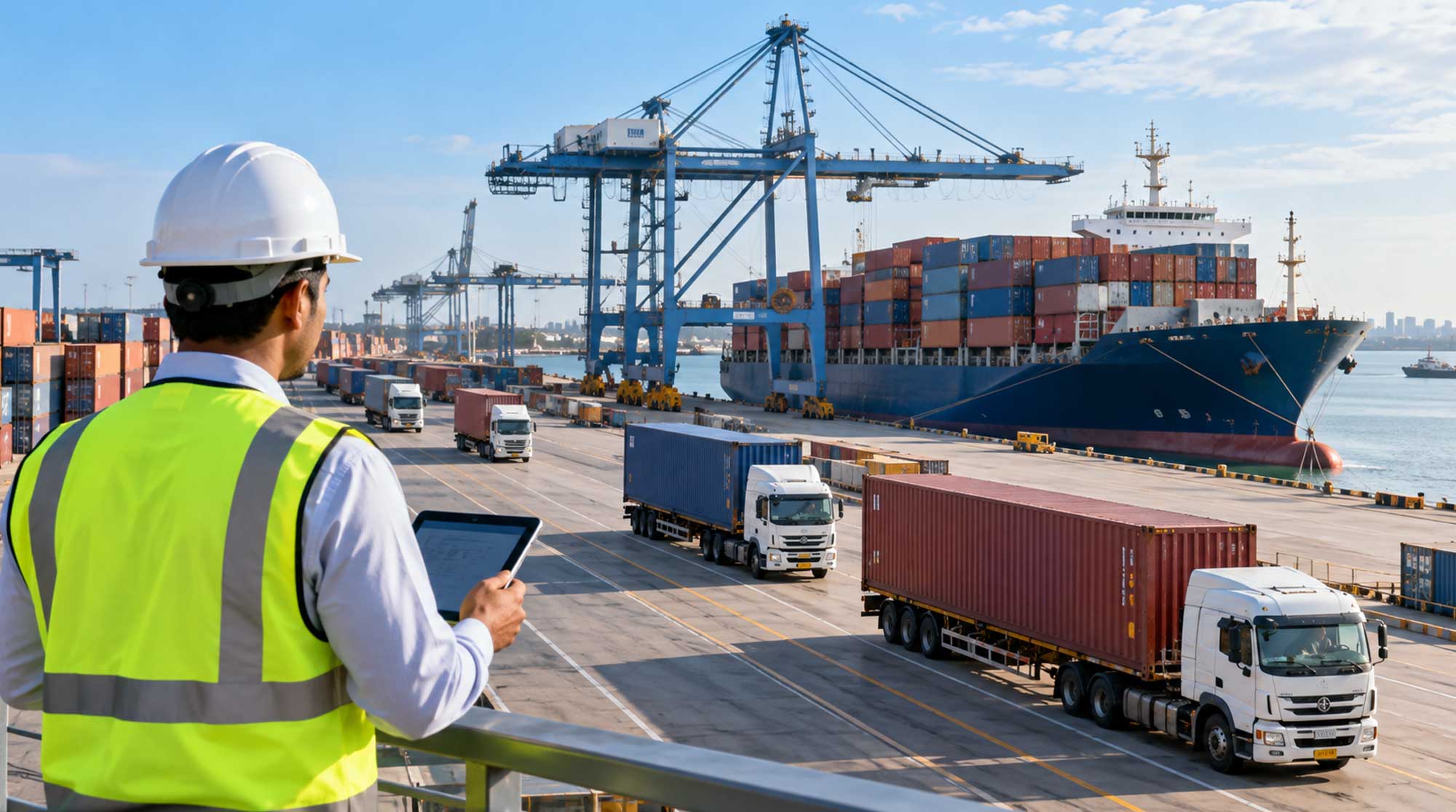
Historically, African transport networks were designed to connect mines and ports rather than neighbouring economies. AfCFTA is encouraging a different model—one built around regional supply chains, cross-border manufacturing and integrated logistics.
This shift is expected to stimulate investment in highways, dry ports, rail freight and inland logistics hubs, making transport a central driver of economic integration. For commercial vehicle manufacturers, the opportunity extends well beyond truck sales to include financing, telematics, fleet management, aftermarket services and digital freight platforms.
As trade volumes grow, so too will demand for smarter, more reliable transport ecosystems.
Beyond Infrastructure
Building roads alone will not unlock Africa's freight potential.
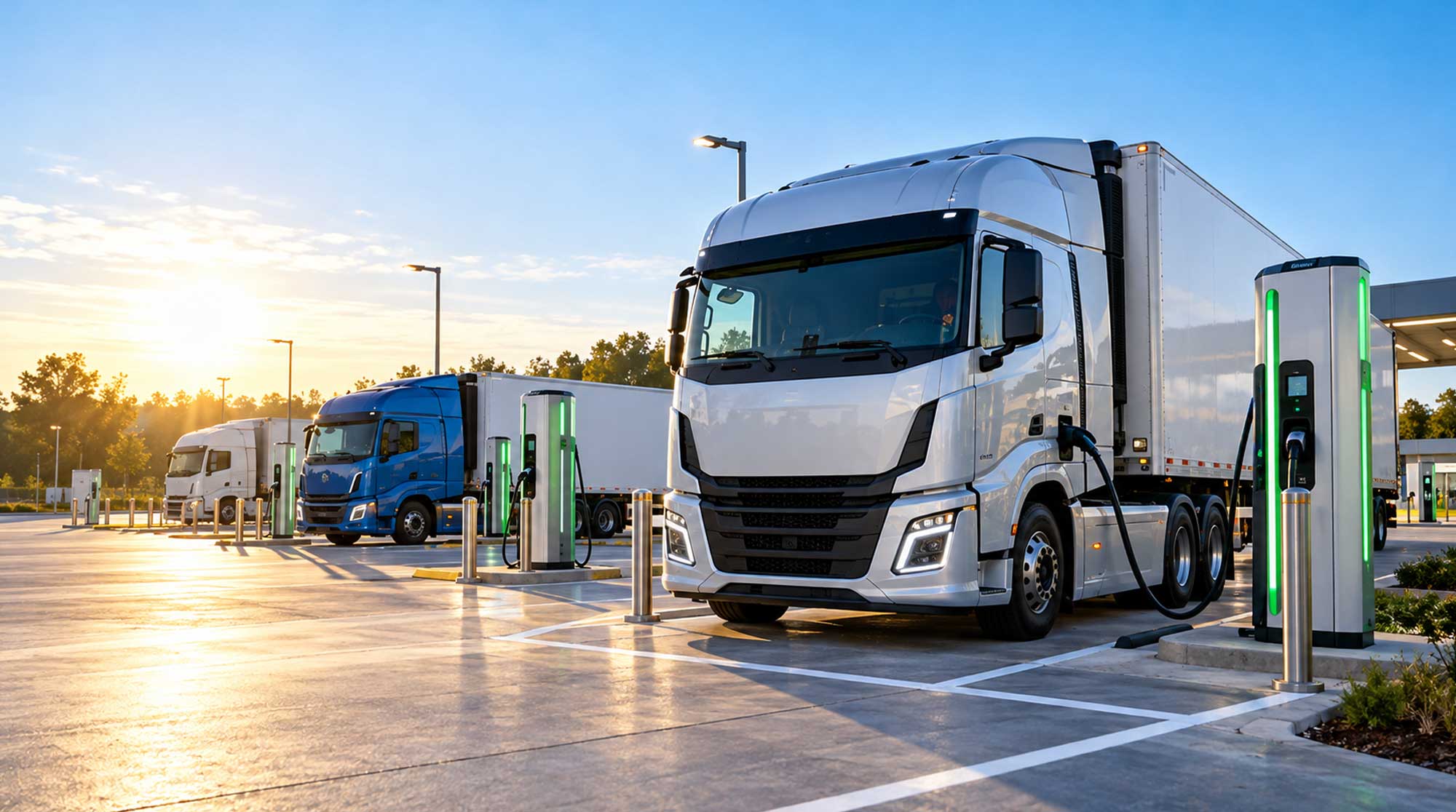
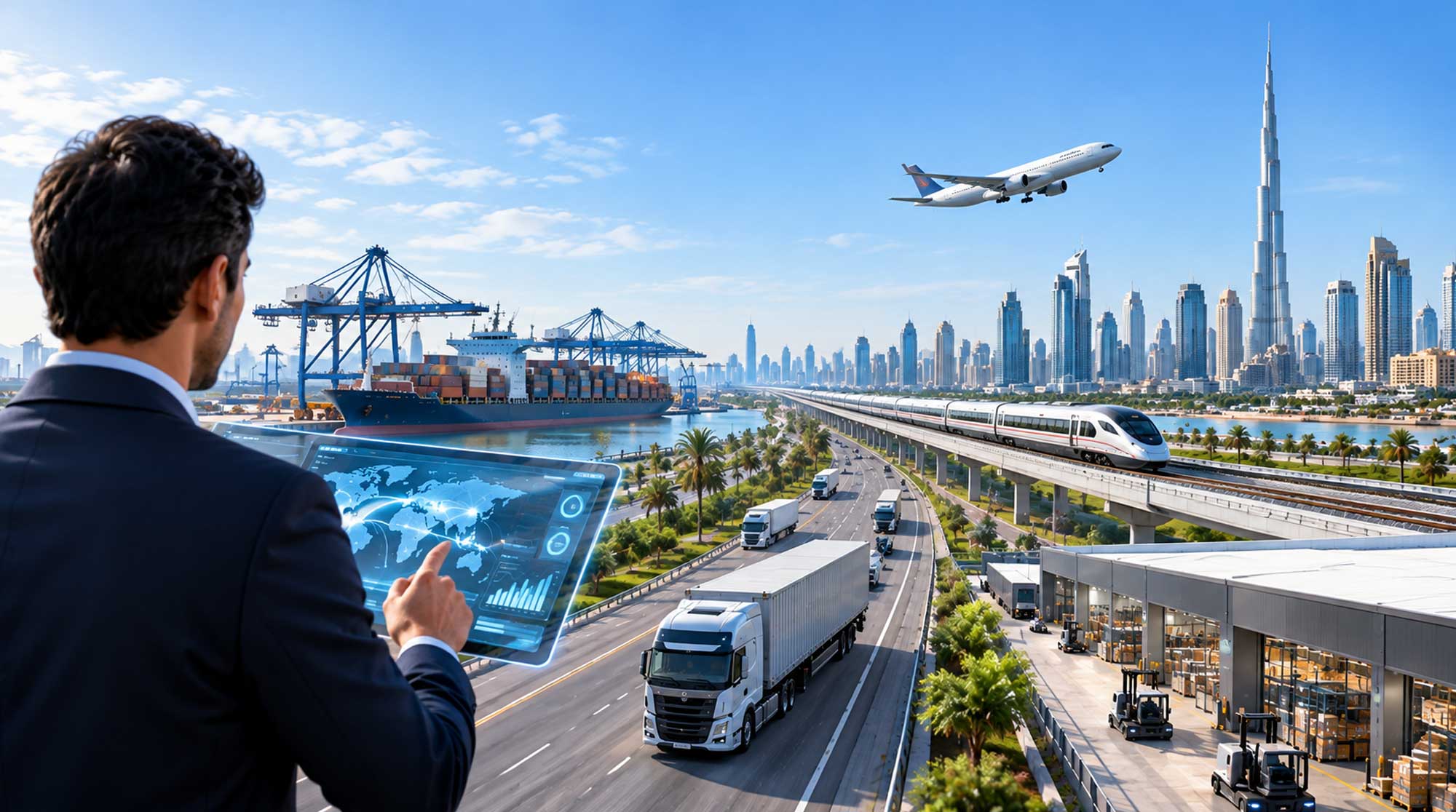
Efficient customs systems, digital documentation, harmonised regulations and connected logistics platforms will be equally important. Fleet operators are increasingly adopting telematics, predictive maintenance and route optimisation technologies to improve efficiency across longer regional journeys.
The next phase of African logistics will be shaped as much by digital connectivity as by physical infrastructure.
The emBRWace Perspective
AfCFTA is not simply reducing tariffs. It is redefining the geography of African commerce.
As transport corridors expand and supply chains become increasingly interconnected, commercial vehicles will play a far greater role than moving goods from one destination to another. They will connect industries, strengthen regional economies and help unlock one of the world's most significant long-term growth opportunities.
Africa's freight revolution has already begun.
The roads being built today may become the foundations of tomorrow's continental economy.