When the Sea Becomes the Frontline
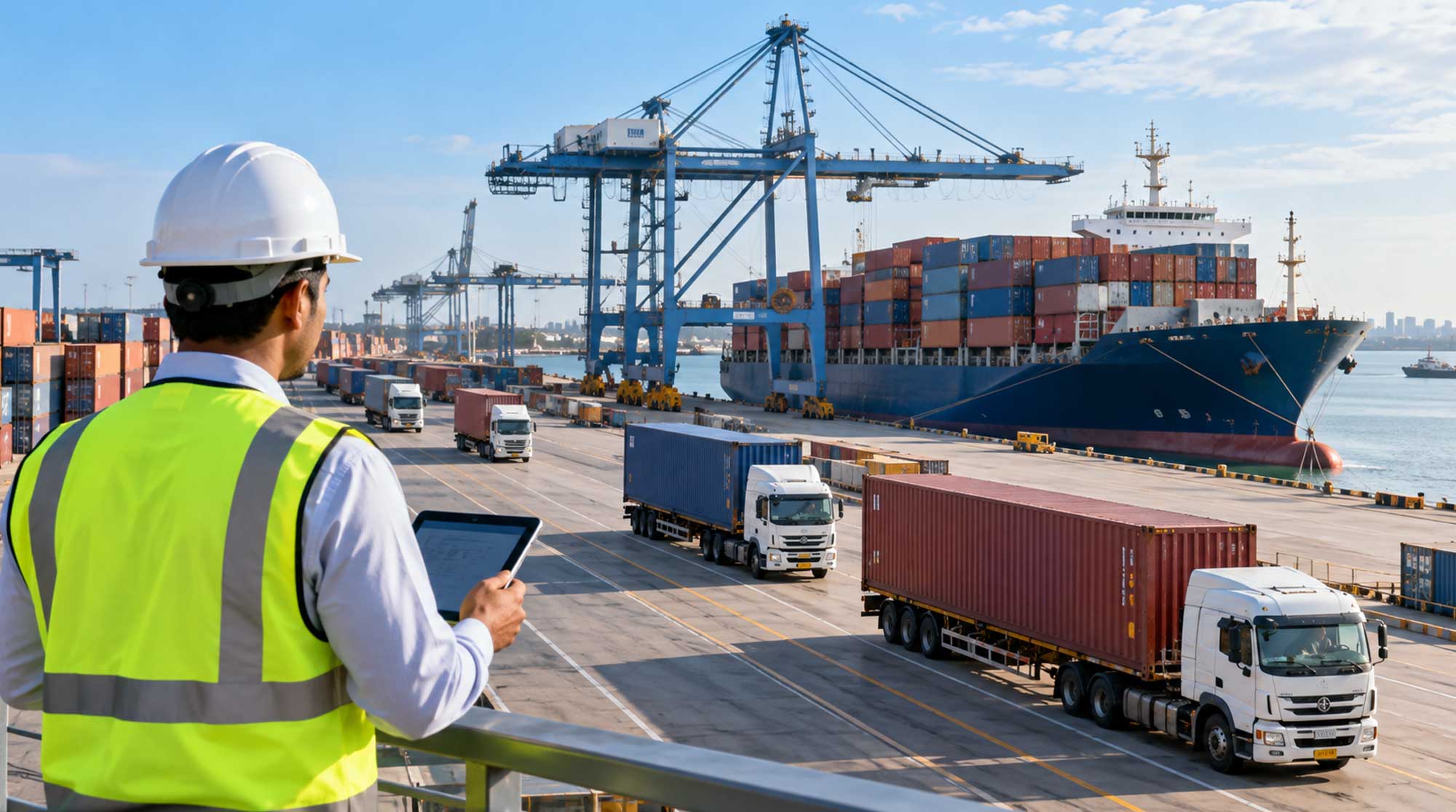
The Red Sea, for centuries, has served as one of the world's most strategically important maritime corridors. Connecting the Mediterranean Sea with the Indian Ocean through the Suez Canal and the Bab el-Mandeb Strait, it forms the shortest maritime bridge between Europe and Asia. Under normal conditions, this route carries approximately 12–15% of global trade and nearly 30% of the world's container traffic, transporting everything from automotive components and industrial machinery to consumer goods, energy supplies and agricultural commodities.Its significance is reflected in the scale of activity. In 2023, the corridor recorded a historic 26,434 vessel transits. Yet within months, escalating security threats transformed one of the world's busiest shipping lanes into one of its most volatile. Vessel movements fell sharply to around 13,213 in 2024 and 12,758 in 2025, forcing shipping companies to rethink established routes and exposing the vulnerability of a global economy built on predictable logistics.
Why This Matters
The Red Sea crisis is not merely a maritime security issue. It is a supply chain issue, an energy issue and ultimately a business issue.For commercial vehicle manufacturers, component suppliers, fleet operators and logistics providers, every disruption translates into higher transport costs, longer lead times and increased uncertainty. Delayed shipments affect production schedules, inventory availability and aftermarket support, while higher insurance premiums and rerouting costs ripple through the entire value chain.
More importantly, the crisis reinforces a growing reality: global mobility is no longer shaped solely by efficiency. It is increasingly defined by resilience.
Beyond the Shipping Lanes
The impact of the Red Sea crisis extends well beyond delayed cargo.Shipping companies have been forced to reassess risk, insurers have raised premiums, and manufacturers have begun reconsidering sourcing strategies that rely heavily on predictable maritime corridors. Businesses that once prioritised lean inventories are increasingly investing in diversified suppliers, regional warehousing and more resilient logistics networks.
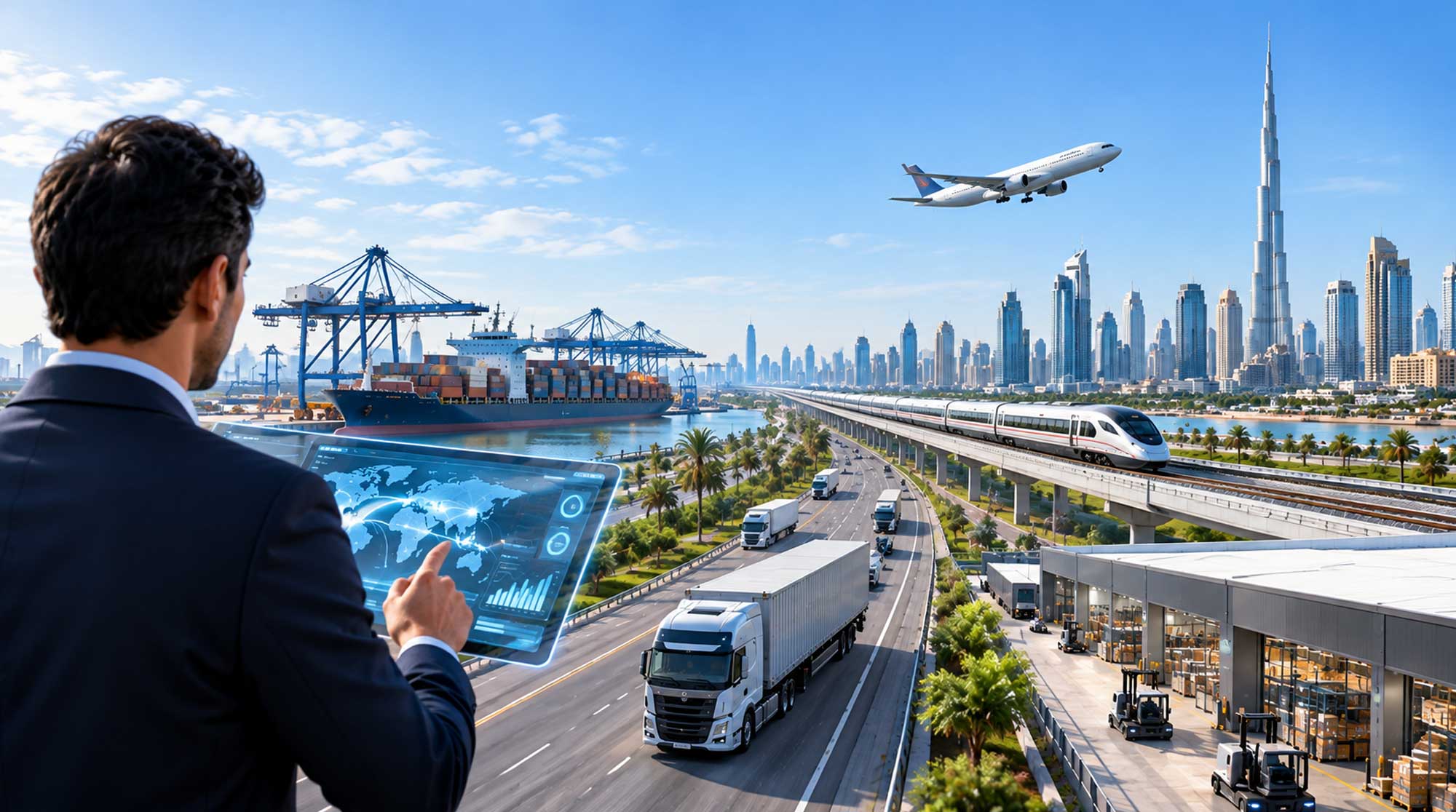
For the commercial vehicle industry, these changes carry particular significance. Modern trucks, buses and off-highway equipment depend on globally sourced components, with production often synchronised across multiple continents. Even relatively short disruptions can delay vehicle assembly, postpone deliveries and increase the cost of spare parts reaching aftermarket networks.
The crisis has also highlighted the interconnected nature of modern logistics. Rising freight costs influence vehicle pricing, operating expenses and ultimately the total cost of ownership for fleet operators.
The emBRWace Perspective
The Red Sea crisis marks a fundamental shift in the way businesses evaluate global mobility.For decades, supply chains were designed to maximise efficiency, minimise inventory and reduce cost. Today's geopolitical landscape demands a different mindset—one that values flexibility alongside efficiency and resilience alongside speed.
The organisations that will thrive in the coming years are unlikely to be those with the shortest supply chains or the lowest logistics costs.
For mobility leaders, resilience is no longer a contingency plan. It is becoming a core business strategy.
Continue Exploring
DEEP DIVE
The Price of DisruptionInside the Hidden Economics of the Red Sea Crisis
Beyond the Headlines. Beneath the Numbers.
Go beyond the strategic narrative to explore the data behind one of the world's most significant maritime disruptions. Discover how rerouting around the Cape of Good Hope has affected freight costs, energy flows, fleet capacity, food security and even the undersea digital infrastructure connecting Europe and Asia.
Reading Time: 4 Minutes
emBRWace Explains [FAQ]
Key questions answered.Why is the Red Sea strategically important?
The Red Sea connects Europe and Asia through the Suez Canal and carries around 12–15% of global trade and nearly 30% of worldwide container traffic.
How has the Red Sea crisis affected global shipping?
Security concerns have reduced vessel transits, forced ships to take longer routes around Africa, increased insurance costs and disrupted global supply chains.
Why does this matter to the commercial vehicle industry?
Manufacturers and suppliers depend on predictable shipping schedules for components and spare parts. Delays increase production costs, extend lead times and affect aftermarket availability.
What lessons can fleet operators learn from the crisis?
Businesses should strengthen supply chain resilience through diversified sourcing, improved inventory planning and greater operational flexibility.