When the Long Road Demands More Than Batteries
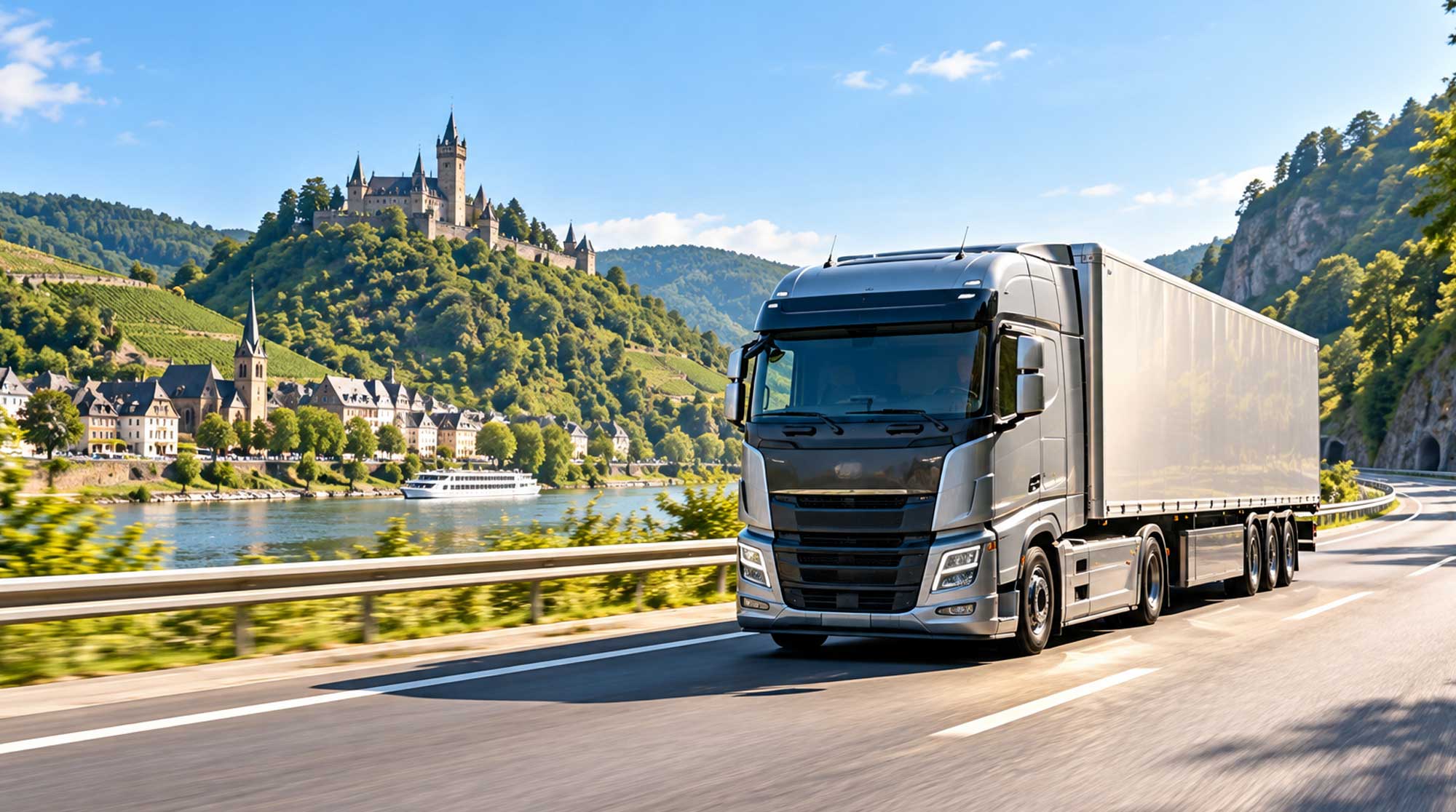
Every revolution has its proving ground. For battery-electric trucks, it is the city. For hydrogen, it is the open highway. As governments and manufacturers race towards net-zero transport, one question is becoming increasingly important: can hydrogen succeed where diesel has ruled for decades?Long-haul freight places extraordinary demands on commercial vehicles. High payloads, extended driving ranges and rapid refuelling leave little room for compromise. While battery-electric trucks are transforming urban distribution, many fleet operators continue searching for a solution capable of matching diesel's endurance on cross-border and long-distance routes.
Hydrogen fuel-cell technology has emerged as one of the strongest contenders.
Why This Matters
- Long-haul trucks account for a disproportionate share of freight emissions.
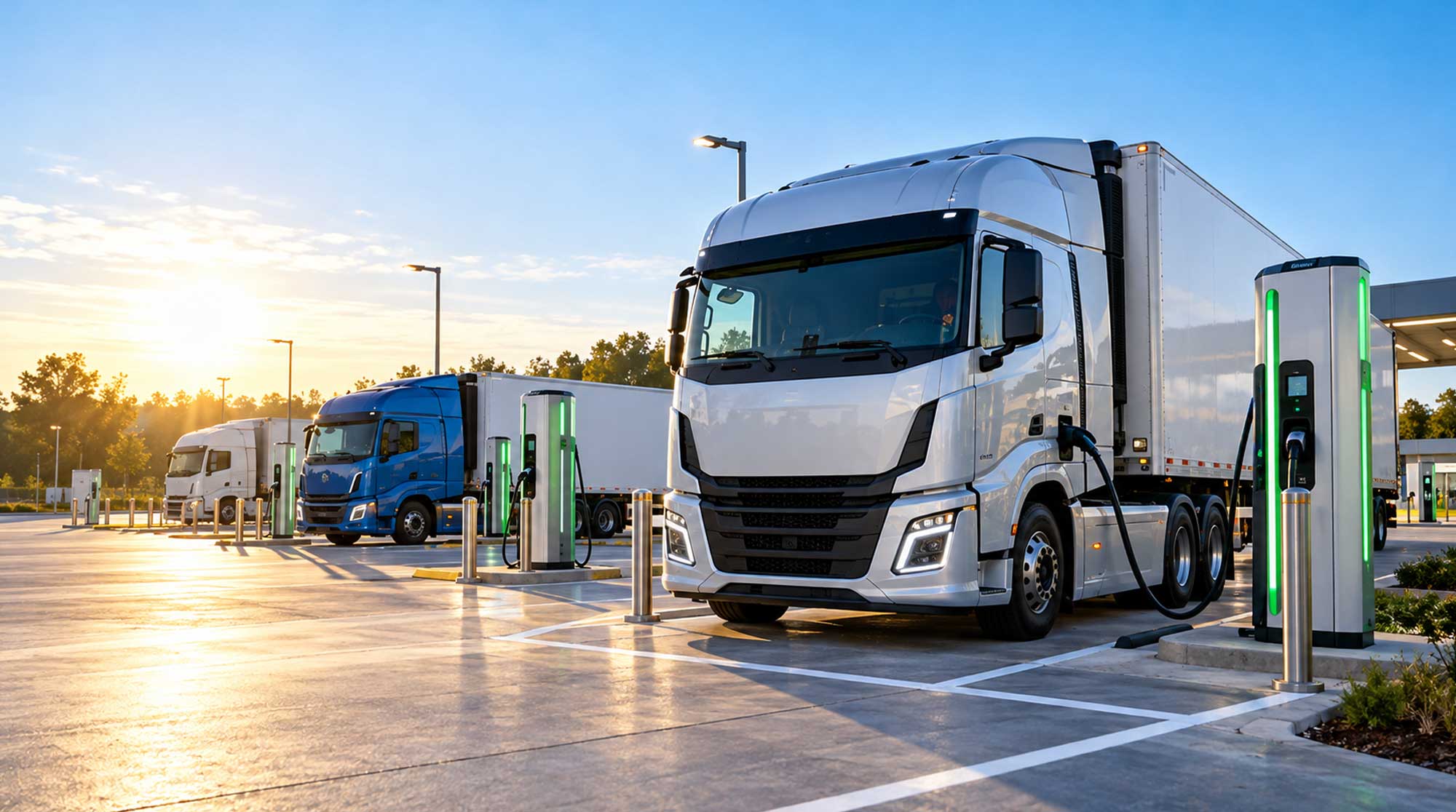
- Hydrogen combines zero tailpipe emissions with diesel-like refuelling times.
- Infrastructure investment—not vehicle technology—is now the industry's greatest challenge.
The Promise Is Real
Unlike battery-electric vehicles, hydrogen fuel-cell trucks generate electricity onboard, allowing significantly longer operating ranges without carrying extremely large battery packs. Refuelling typically takes only a few minutes, making hydrogen particularly attractive for logistics operators where vehicle utilisation directly affects profitability.Manufacturers including Daimler Truck, Volvo Group, Hyundai Motor Company and Toyota Motor Corporation are investing heavily in hydrogen-powered heavy vehicles, while governments across Europe, Asia and North America continue funding hydrogen corridors and refuelling infrastructure.
For industries such as mining, construction and long-distance freight, hydrogen could offer a practical pathway towards deep decarbonisation without compromising operational flexibility.
The Missing Piece
The technology is advancing faster than the ecosystem supporting it.Hydrogen refuelling stations remain scarce, green hydrogen production is still limited and costs remain significantly higher than conventional fuels. Expanding production using renewable electricity while building transport, storage and distribution infrastructure will require sustained public and private investment over the coming decade.
Until then, hydrogen's greatest challenge is not engineering—it's scale.
The emBRWace Perspective
Hydrogen should not be viewed as the successor to diesel, but as part of a broader transformation in freight mobility. Tomorrow's commercial transport system is unlikely to rely on a single energy source. Battery-electric trucks will dominate many urban operations, renewable fuels will extend the life of existing fleets, while hydrogen is poised to redefine long-haul transport where range, payload and rapid refuelling matter most.The future belongs not to one technology, but to the intelligent integration of many.