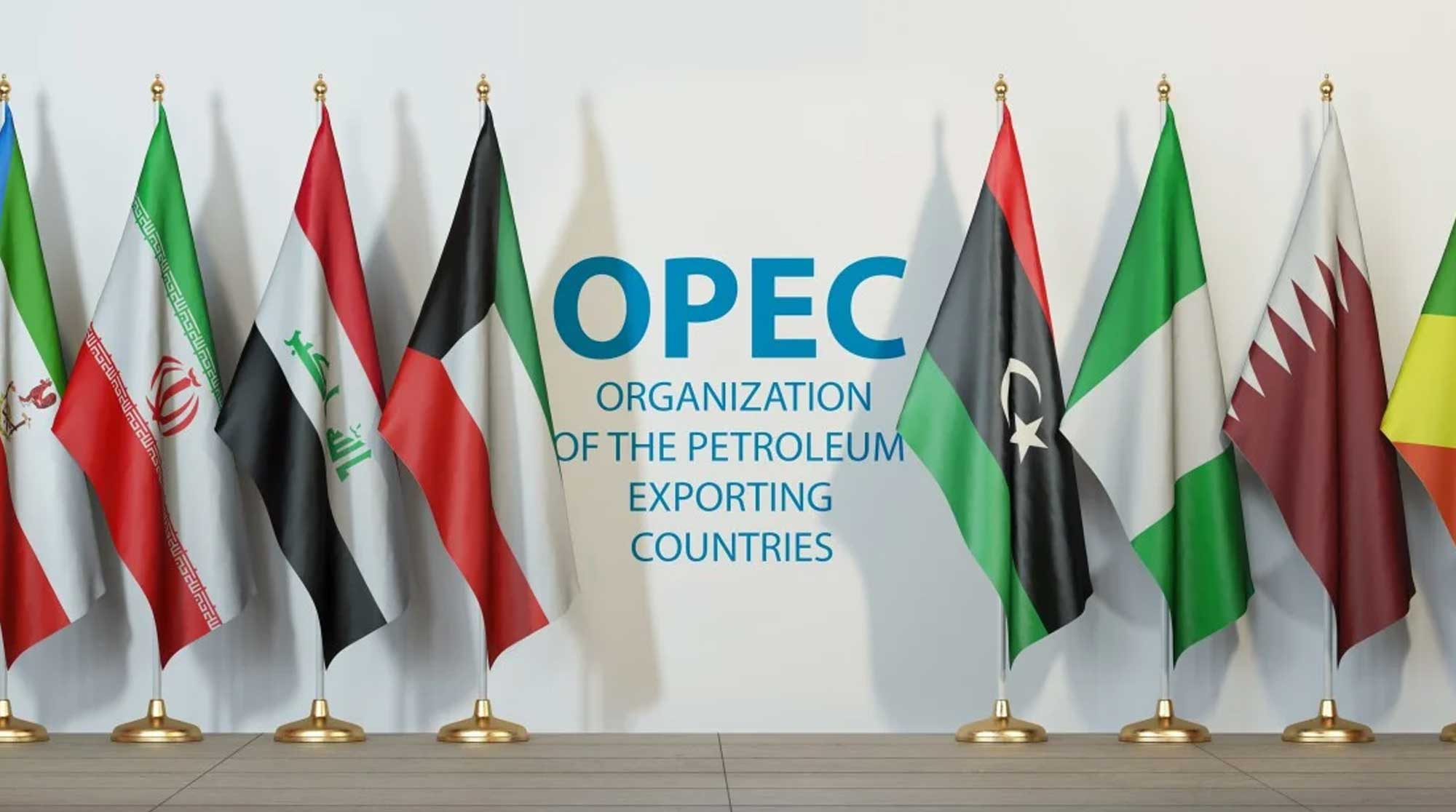
The Organization of the Petroleum Exporting Countries (OPEC) launched its first Annual Report on Environment, Climate and Sustainable Development 2026 in Vienna on 6 October. The report argues that environmental protection and human development must advance together, with international co-operation grounded in the realities of energy supply and demand.
For mobility, this balance is becoming increasingly consequential. Growing populations, urbanisation and economic activity are expanding demand for passenger transport, freight movement and logistics. Meeting that demand while reducing emissions requires changes across the transport system—not simply the introduction of cleaner vehicles.
The transition is also an infrastructure challenge. Battery-electric trucks depend on suitable charging networks and reliable electricity; hydrogen requires production and distribution infrastructure; and alternative liquid fuels depend on availability, cost and compatibility with existing fleets. Vehicle efficiency, improved logistics and better utilisation can also help reduce energy consumption without waiting for complete fleet replacement.
These considerations vary significantly between regions. Mature markets may have greater capacity to invest in charging infrastructure and new vehicle technologies, while developing economies must often balance decarbonisation with expanding transport access, affordability and economic growth. For long-haul freight in particular, payload, range, refuelling time and total cost of ownership remain critical to technology adoption.
OPEC Secretary General Haitham Al Ghais says each country’s individual circumstances should guide its sustainable energy pathway, while contributing to shared global objectives.
Why It Matters
The future of mobility will be shaped not by a single winning technology, but by the ability to reduce emissions while keeping transport reliable and affordable. For commercial fleets, manufacturers and policymakers, energy strategy is becoming inseparable from decisions about vehicles, infrastructure and operating costs.