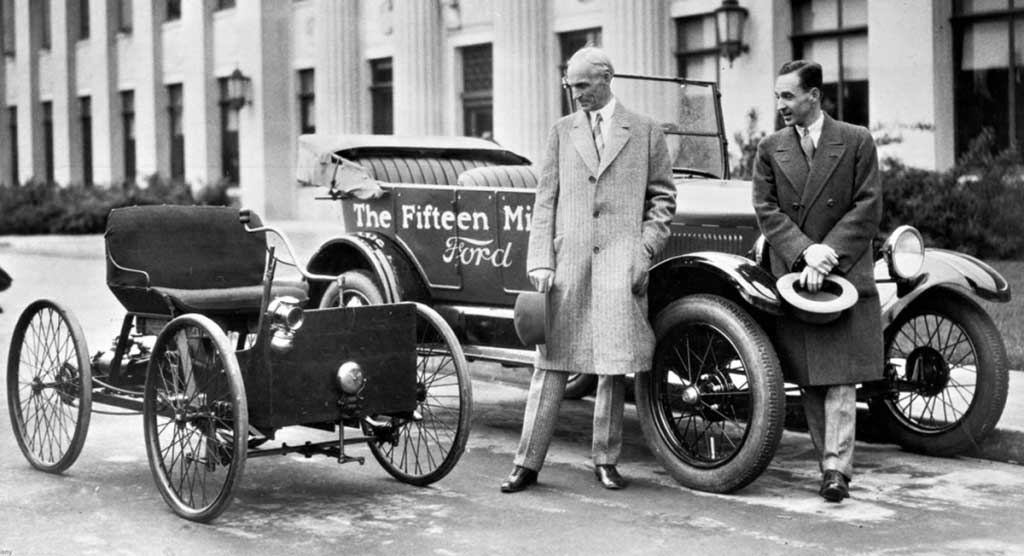
On 6 November 1893, Edsel Bryant Ford, the only child of Henry and Clara Ford, was born in Detroit, Michigan. He would inherit more than a family name and a position at the head of an automotive empire. At a time when his father championed engineering efficiency and mass production, Edsel believed that automobiles could also express style, refinement and individuality. Their contrasting approaches would shape the direction of Ford Motor Company for decades.
A Different Vision for Ford
Edsel grew up immersed in the emerging motor industry, spending time at his father's factories and developing an early interest in automobile design. He joined Ford Motor Company full-time in 1912 and progressed through its management, becoming president in January 1919 at just 25 years of age.
His leadership coincided with a period when the Model T, despite its extraordinary commercial success, was beginning to face growing competition. Edsel recognised that customers increasingly wanted more than dependable, affordable transportation. Styling, comfort, colour and refinement were becoming important considerations.
His influence was central to the development of the Ford Model A, introduced in December 1927 as the successor to the Model T. Edsel played a major role in its design, colour schemes and trim, helping give Ford's new generation of cars a more contemporary appearance. He also encouraged improvements in safety and vehicle technology, including the adoption of safety glass and hydraulic brakes in Ford cars.
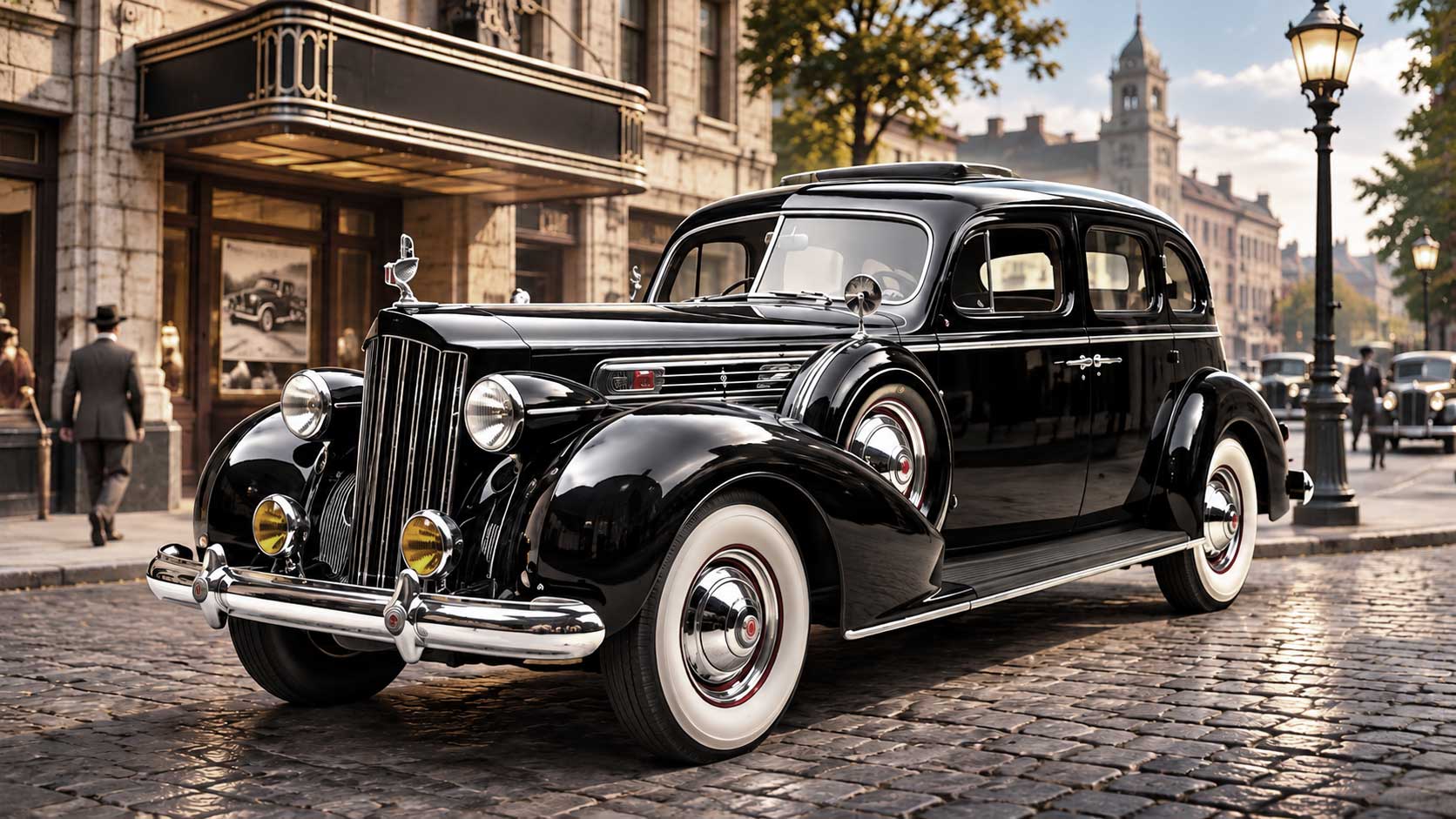
His vision extended beyond the mass-market Ford range. In 1922, Ford acquired the Lincoln Motor Company, which became an important platform for Edsel's design philosophy. Under his influence, Lincoln developed vehicles that combined engineering with distinctive styling. The streamlined Lincoln Zephyr, introduced in 1936, and the Lincoln Continental, developed in 1939 and launched in 1940, became enduring expressions of this approach.
The Legacy of a Design-Led Leader
Edsel's contribution was not confined to styling. He supported broader product diversification, helping establish the Mercury division in 1938 to serve the market between Ford and Lincoln. He also encouraged advances in advertising, sales and international expansion, while supporting Ford's growing involvement in aviation.
Yet his presidency was not without challenges. His father continued to exert considerable influence over the company, and their differing views on product development and management sometimes created tension. Edsel often had to pursue his ideas within the limits imposed by Henry's authority.
He died on 26 May 1943, aged 49, before many of his ambitions could be fully realised. His legacy, however, remains visible in the evolution of Ford from a company identified primarily with affordable mass transportation into a broader automotive manufacturer with a strong design identity.
Henry Ford had demonstrated that the automobile could be made accessible to millions. Edsel helped show that it could also be desirable for its design, character and craftsmanship. Together, their contrasting visions shaped two important dimensions of modern automotive history.