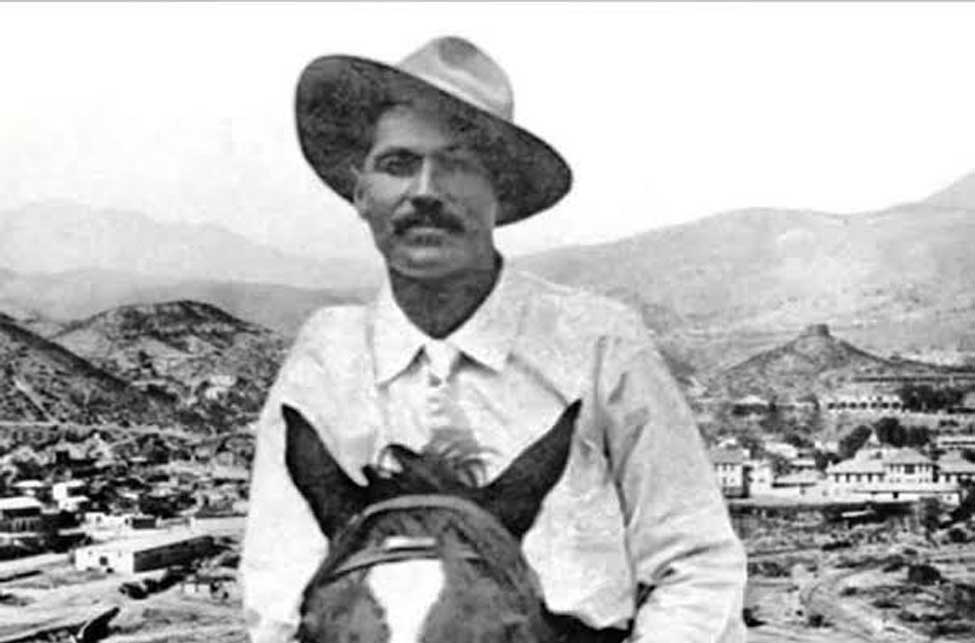
On 7 November 1907, Mexican railway engineer Jesús García Corona faced a catastrophe unfolding on the tracks at Nacozari, in the state of Sonora. A fire had reached wagons carrying dynamite, threatening to turn the mining town into the centre of a devastating explosion. With little time to act, García took the locomotive away from the populated area, knowing that the danger was travelling with him.
A Train Against the Clock
García worked for the Moctezuma Copper Company, operating the railway that connected Nacozari with the nearby Pilares copper mine. At just 25 years of age, he had progressed from railway worker to locomotive engineer through experience and self-study.
That afternoon, a train carrying supplies and explosives was preparing to move. Two wagons contained dynamite, while other cars carried combustible material. Sparks from the locomotive ignited a fire that spread towards the explosives. The danger became immediate: if the dynamite detonated close to the railway settlement, the consequences could be catastrophic.
García's fellow railway workers reportedly jumped clear as the situation deteriorated. He remained at the controls and accelerated the locomotive, taking the burning train away from the town. His decision gave the settlement a chance to escape the approaching disaster, but left him aboard a machine carrying its own destruction.
A Hero Remembered in Railway History
The train travelled beyond the populated area before the explosives detonated. The blast destroyed the locomotive and claimed García's life, along with others caught near the railway. Nacozari, however, was spared a far greater catastrophe.
His sacrifice became part of Mexico's national railway heritage. The town was subsequently renamed Nacozari de García, and 7 November is commemorated as Día del Ferrocarrilero — Railway Workers' Day — in recognition of his courage and the contribution of railway workers.
García's story is not simply one of bravery at the controls of a locomotive. It is a reminder of the human responsibility that accompanies the movement of dangerous cargo, and of the extraordinary consequences that can follow a decision made in a moment of crisis.
On that November afternoon, Engine 501 carried more than a load of explosives away from Nacozari. It carried one man's final act of courage into history.