One engineer’s vision helped shape a pioneering vehicle maker and a lasting force in commercial transport.
A Small Machine, A Big Idea
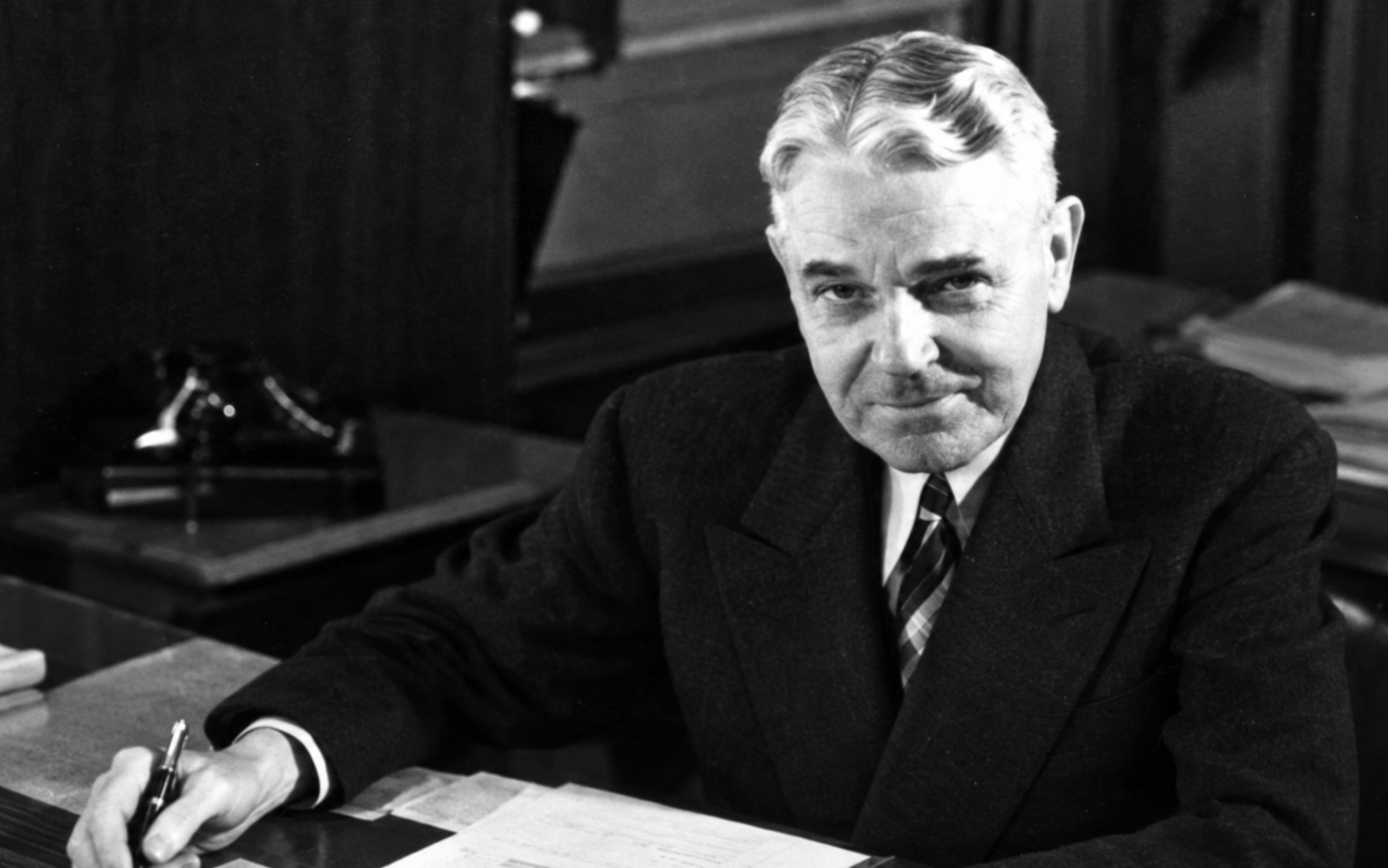
In 1897, as the automobile was still an experimental curiosity, engineer and inventor Louis Semple Clarke founded the Pittsburg Motor Vehicle Company in Pittsburgh, Pennsylvania. Supported by his family and associates, Clarke set out to turn mechanical ingenuity into practical mobility.
His early creation, the Autocar No. 1, was an unusual petrol-powered tricycle driven by a single-cylinder engine. It embodied the resourcefulness of an era when engineers were still discovering what motorised transport could become.
The following year, the company produced a four-wheeled vehicle known as the Pittsburgher. The transition from three wheels to four reflected a young industry moving rapidly from experimentation towards more practical automobiles.
From Prototype to Trucking Pioneer
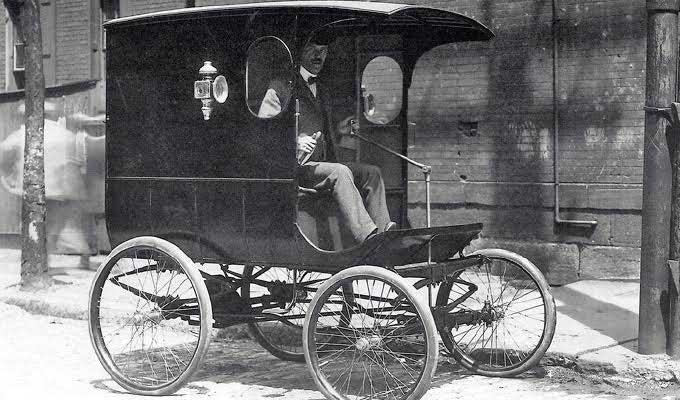
In 1899, the company moved to Ardmore, Pennsylvania, and adopted the name The Autocar Company. That year, it introduced a commercial motor truck, helping establish a new category of vehicle designed to move goods and support businesses.
Autocar continued making passenger cars, introducing engineering innovations along the way. Its early vehicles helped advance the development of practical motorised transport, while its commercial vehicles opened new possibilities for deliveries and industrial work.
By 1911, Autocar had concentrated exclusively on trucks. Its vehicles went on to serve increasingly demanding applications, from freight transport to specialist vocational work. Over the decades, ownership and operations changed, but the Autocar name endured.
A Legacy Built for Today
Today, Autocar, LLC specialises in purpose-built, severe-duty vocational trucks for demanding commercial and industrial applications.
Its portfolio includes the ACX and ACMD cabovers, designed for applications such as waste collection, and the DC-64 series, configured for construction, concrete mixing and other heavy-duty work. The ACTT terminal tractor moves trailers around logistics yards and distribution facilities.
Autocar is also embracing electrification through models such as the E-ACX electric waste collection truck and the E-ACTT electric terminal tractor, bringing battery-electric power to specialised operations.
From its experimental beginnings in the nineteenth century to today’s purpose-built trucks, Autocar’s enduring focus remains on engineering vehicles that keep essential services and industries moving.