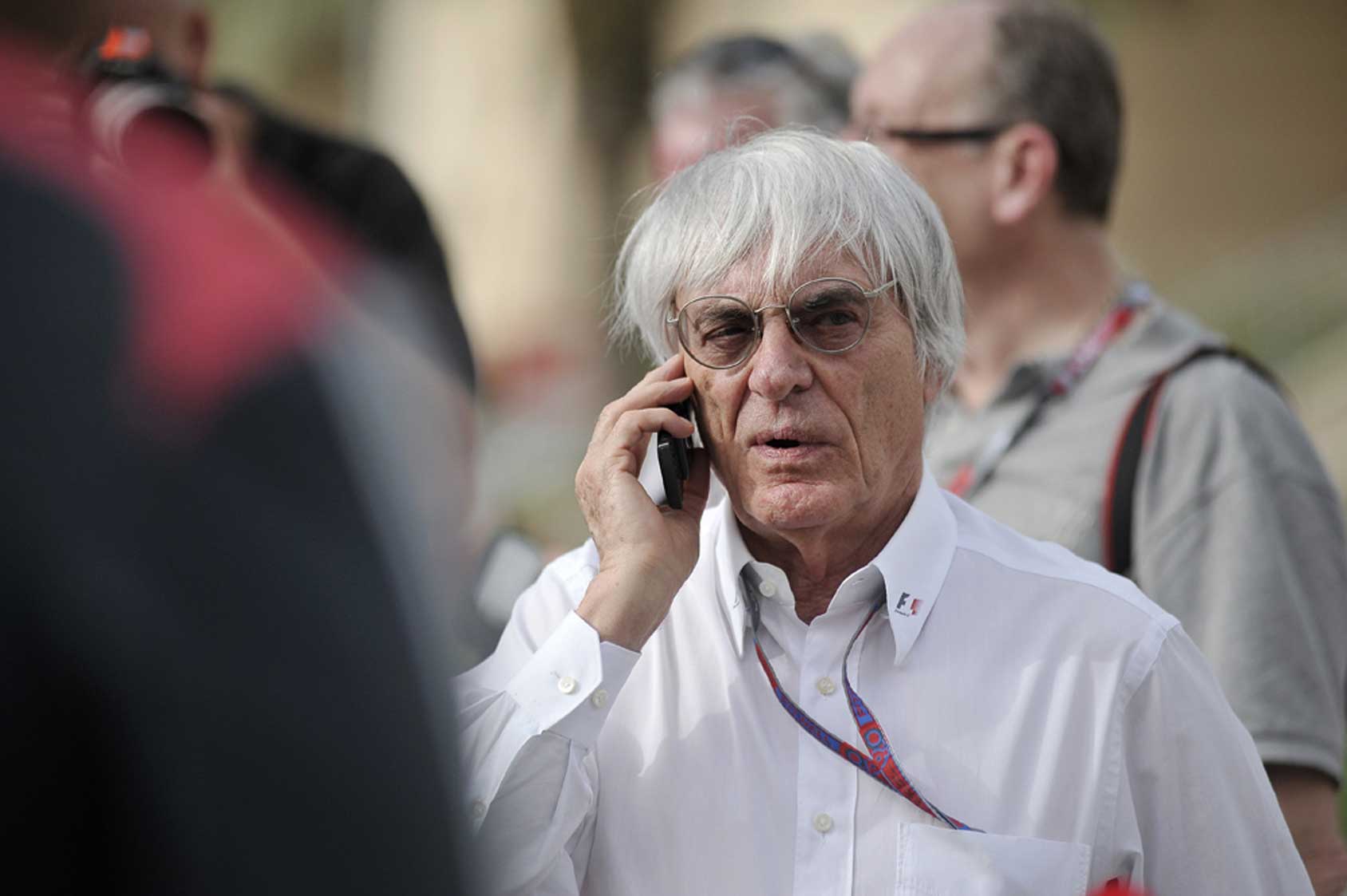
Born on 28 October 1930, in Suffolk, England, Bernie Ecclestone became one of the most influential and controversial figures in Formula 1 history. Though his early ambitions were rooted in racing, his lasting impact came from recognising that the sport’s greatest potential lay not only in competition, but also in its commercial rights, television reach and global audience.
From the Cockpit to the Control Room
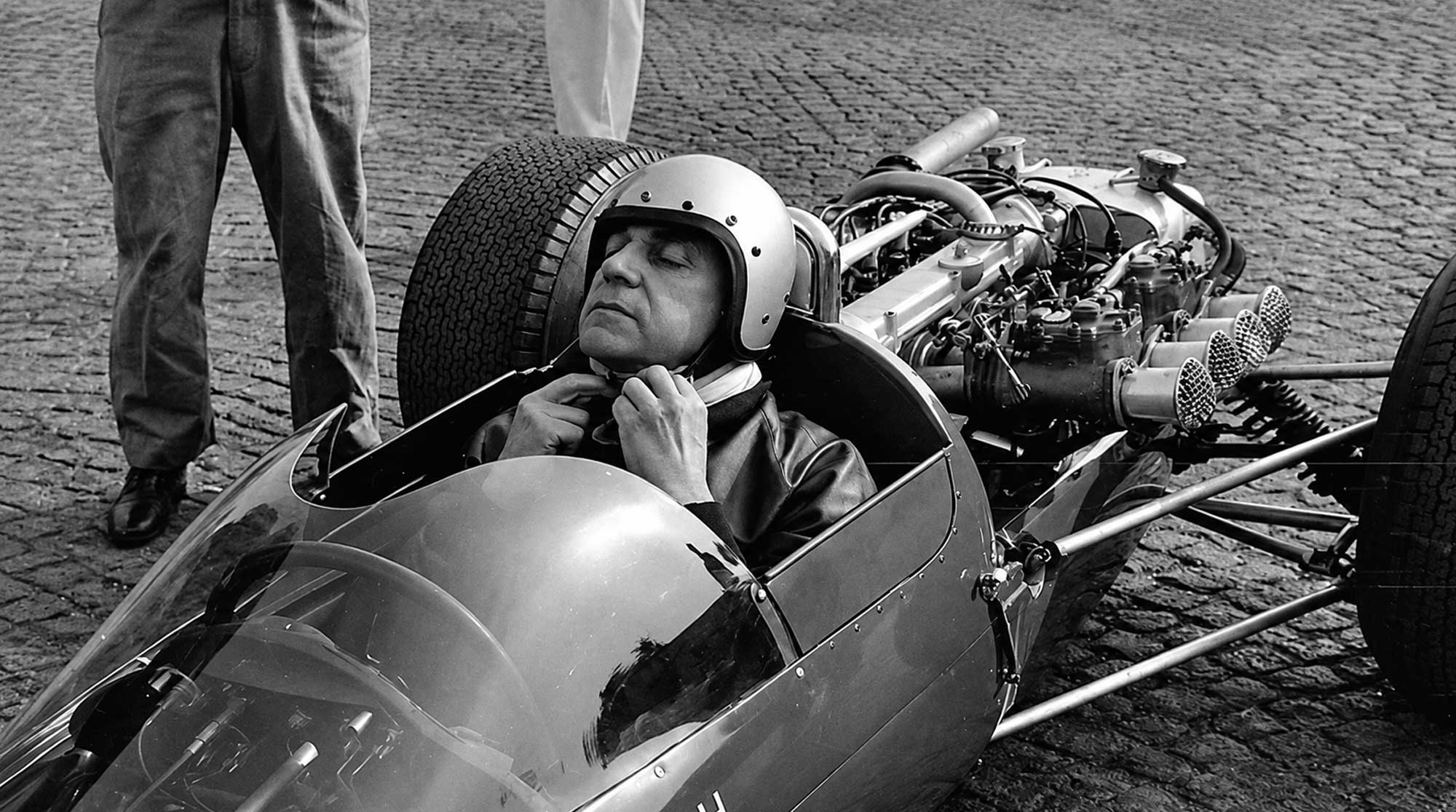
Ecclestone’s early career combined business with a personal interest in motor racing. After trading motorcycle parts, he entered the racing world as a driver and later became involved in managing drivers, including Stuart Lewis-Evans and Jochen Rindt.
In 1972, he purchased the Brabham Formula 1 team from its founder, Jack Brabham. Under Ecclestone’s ownership, Brabham became a competitive force, winning Drivers’ World Championships with Nelson Piquet in 1981 and 1983.
Team ownership, however, was only one part of his larger influence. In 1974, Ecclestone helped establish the Formula One Constructors’ Association (FOCA), representing teams in negotiations with race organisers and the sport’s governing authorities. By 1978, he had become a central figure in its leadership, pushing for greater commercial control and a more coherent structure for the championship.
Selling the Sport to the World
Ecclestone understood that television could take Formula 1 far beyond the circuits that hosted its races. Instead of leaving broadcast arrangements to individual events, he helped negotiate television coverage of the championship as a more unified package. This expanded the sport’s exposure, strengthened its commercial appeal and helped attract sponsors, broadcasters and international audiences.
The commercial framework he helped build reshaped the relationship between teams, organisers and rights holders. Formula 1 evolved from a collection of races into a coordinated global property, supported by broadcasting agreements, sponsorships, hosting fees and centralised commercial arrangements.
Ecclestone’s influence reached its height through the commercial rights structure developed during the 1990s and 2000s. Yet his approach also attracted criticism over the distribution of revenue, the cost of hosting races and the concentration of power within the sport.
In January 2017, following Liberty Media’s acquisition of Formula 1, Ecclestone stepped aside as chief executive, ending decades of day-to-day control.
His legacy remains complex. He did not create Formula 1, but he fundamentally changed the business behind it, helping turn a motor-racing championship into a worldwide entertainment enterprise.