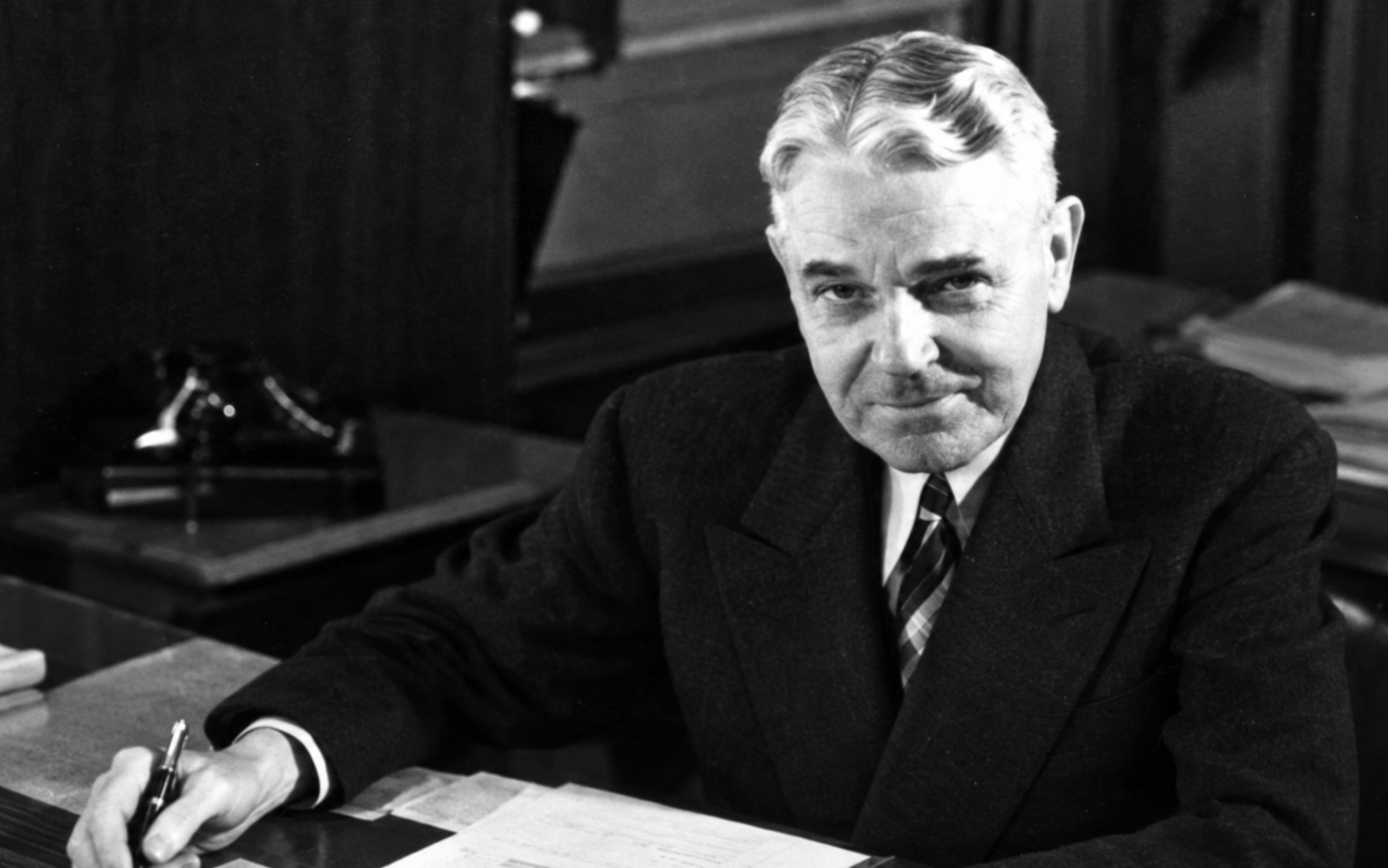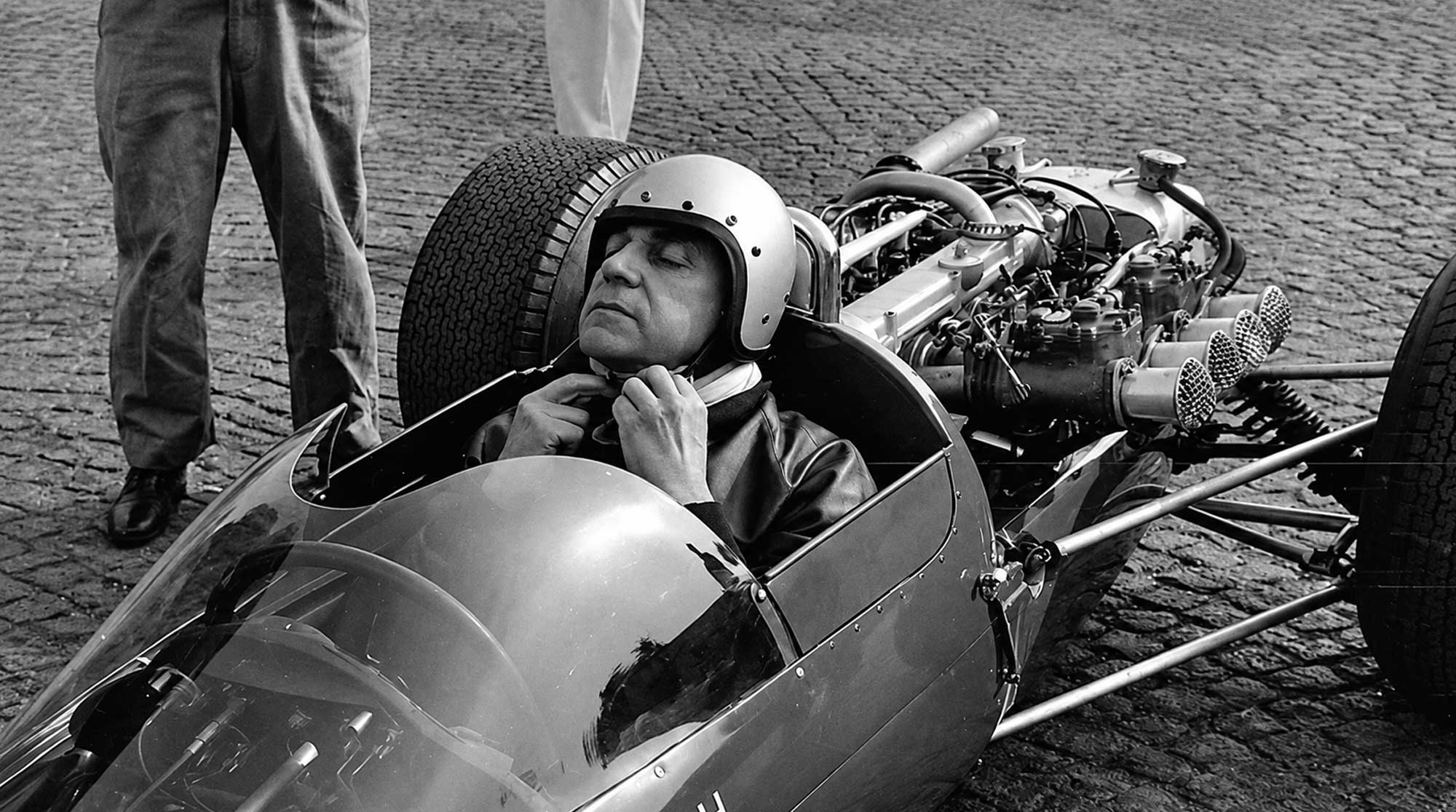
On 24 October 1979, Carlo Abarth’s remarkable journey ended in Vienna, but his performance legacy continued to accelerate.
Speed Was in His Blood
Born in Vienna, Austria, in 1908, Karl Albert Abarth began his career in motorcycle racing before moving into automotive engineering and performance tuning. He later became an Italian citizen, building a reputation for extracting remarkable performance from compact engines and lightweight machines. His competitive spirit extended beyond the racetrack. In 1933, he famously challenged the Orient Express with a motorcycle-and-sidecar combination on the journey between Vienna and Ostend.
In 1949, Abarth joined forces with racing driver Guido Scagliarini to establish Abarth & C. in Bologna, Italy. Their first car, the 204 A Roadster, was based on the Fiat 1100. But Abarth’s real signature was transforming existing machinery into something faster, more competitive and more capable.
The Scorpion Leaves its Mark
Abarth became renowned for tuning Fiat engines, developing lightweight sports cars and setting speed and endurance records. The company’s small, modified cars challenged larger rivals, while models such as the Fiat-Abarth 850 TC earned victories on demanding circuits, including the Nürburgring.
The scorpion emblem, inspired by Abarth’s astrological sign, became a symbol of compact performance and racing determination. In 1971, Fiat took full ownership of the company, carrying the Abarth name into a new chapter of motorsport.
Carlo Abarth died in Vienna on 24 October 1979, aged 70. His legacy lives on in a philosophy that continues to define performance engineering: speed is not simply about size or power, but about making every component work harder.