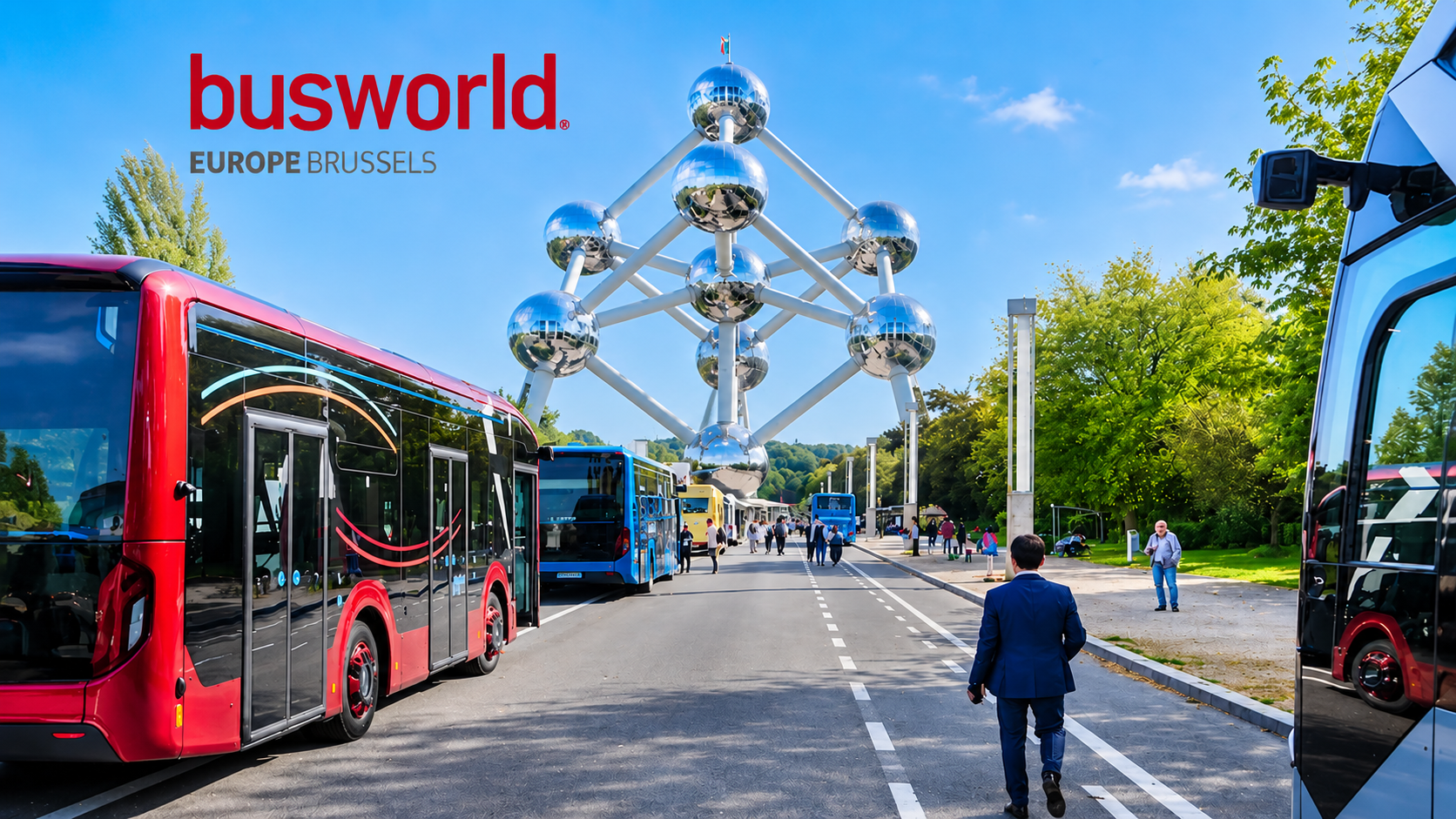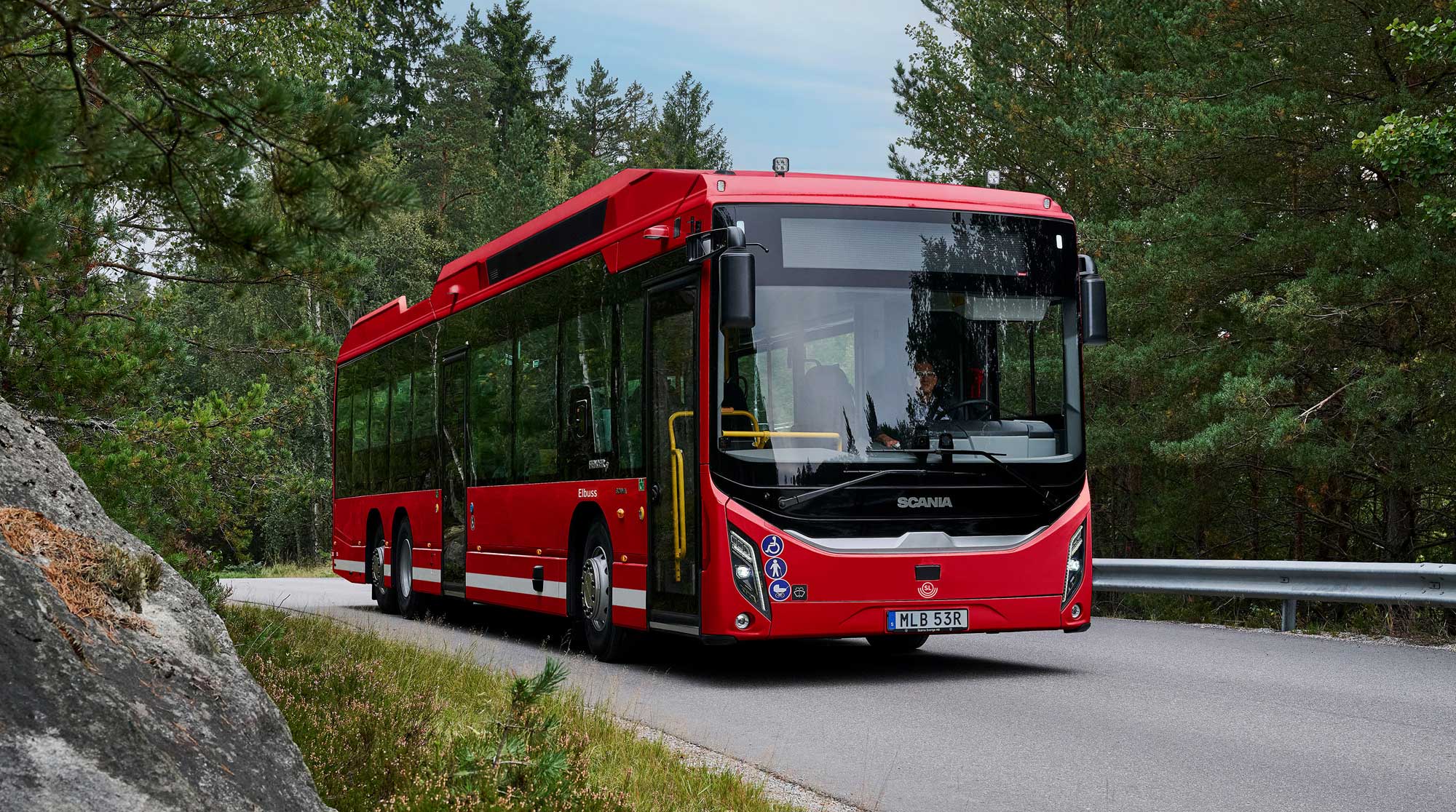
Europe’s bus market is expanding, but the manufacturers building its next generation of public transport vehicles risk losing ground to competitors from outside the European Union.
In a new position paper published on 21 October 2026, the European Automobile Manufacturers’ Association (ACEA) is calling for urgent action to protect Europe’s bus-manufacturing capacity, arguing that public procurement must do more than prioritise the lowest purchase price.
New EU bus registrations rose by 22.7% in the first half of 2026, while around 60% of newly registered city buses were battery-electric. Yet ACEA warns that an increasing share of publicly funded demand is being captured by non-EU manufacturers.
The stakes extend beyond vehicle sales. Europe’s bus industry operates across more than 38 manufacturing plants in 12 EU Member States, supporting jobs, research, innovation and long-term service capabilities.
ACEA argues that existing procurement rules allow authorities to consider factors beyond price, but these provisions are often underused. It says the next 24 months will be decisive, as purchasing decisions made before 2030 could shape the industry’s industrial footprint and technological capabilities for the following decade.
Why It Matters
Europe’s bus transition is becoming an industrial competitiveness challenge as well as a decarbonisation effort. Procurement decisions today could influence who manufactures tomorrow’s buses, where value is created and which regions retain the skills and jobs behind cleaner public transport.