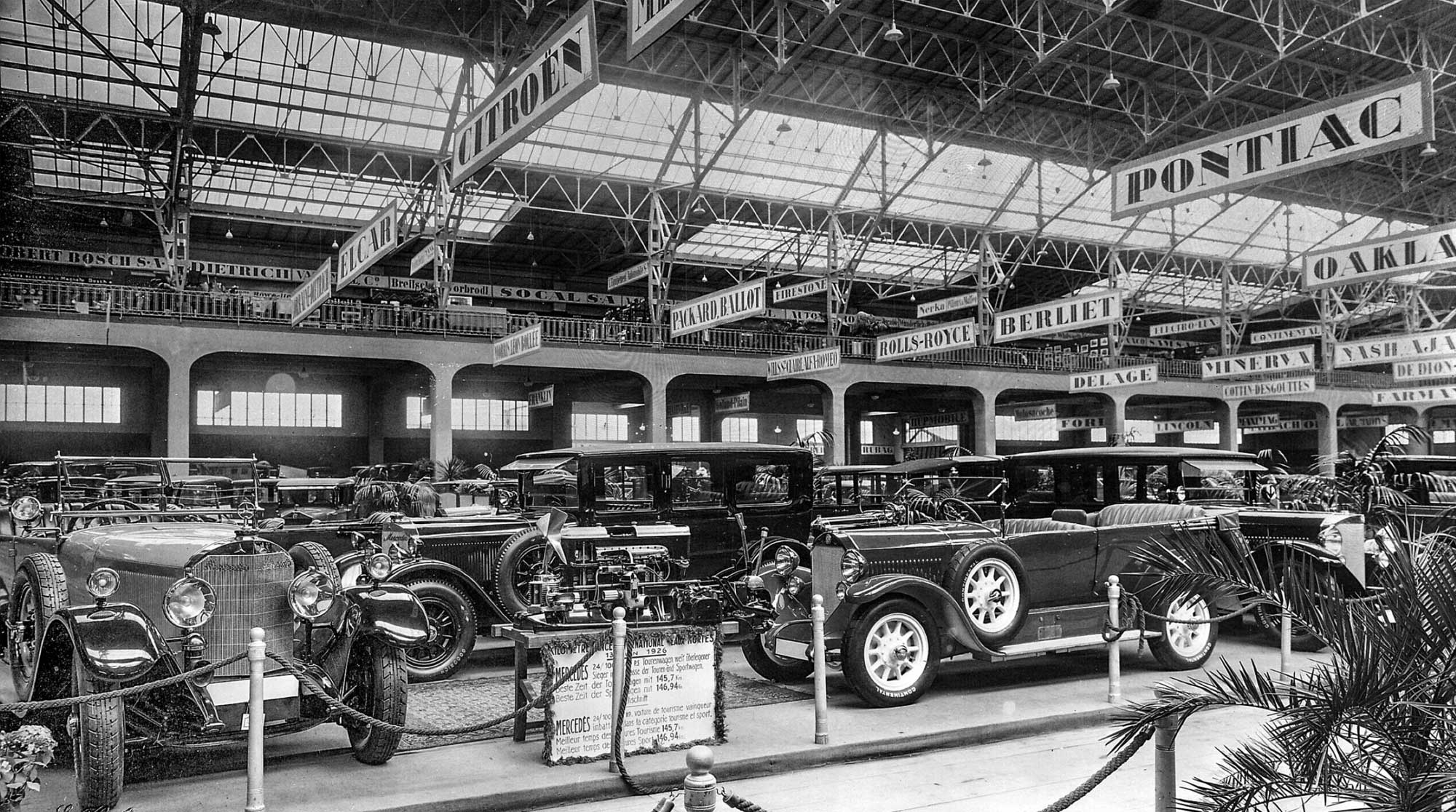
On 29 October 1926, the Mercedes-Benz brand made its major public debut at the Berlin Motor Show, marking a milestone in automotive history. Behind the name stood two pioneering German manufacturers whose merger had brought their engineering traditions and industrial strengths together under one company, Daimler-Benz AG.
Two Pioneers, One Powerful Alliance
The story began decades earlier with two men pursuing the same revolutionary idea independently. Carl Benz patented his motor car in 1886, while Gottlieb Daimler developed his own motorised vehicle that year. Their companies, Benz & Cie. in Mannheim and Daimler-Motoren-Gesellschaft in Stuttgart, became major players in Germany’s emerging automobile industry.
By the early 1920s, economic pressures and growing competition encouraged the two companies to cooperate. They established a joint business arrangement in 1924 before completing their merger in June 1926. The new company, Daimler-Benz AG, brought their engineering expertise, manufacturing resources and commercial interests under one corporate roof.
A New Star Takes the Stage
The merger united two established identities under a shared name: Mercedes-Benz. Its new emblem brought their histories together visually: Daimler’s three-pointed star, surrounded by the laurel wreath from the Benz emblem. The result was a distinctive symbol that represented the union of the two automotive pioneers and would become recognised around the world.
The Berlin Motor Show, held from 29 October to 7 November 1926, gave the new brand its major public showcase. Visitors saw two new Mercedes-Benz passenger cars, the 8/38 PS and 12/55 PS, alongside a range of commercial vehicles. The display introduced the newly merged company’s growing vehicle range to the public.
The merger did not mark the beginning of the automobile, nor did it erase the achievements of Benz and Daimler. Instead, it brought two influential engineering traditions together in one company. The Mercedes-Benz name carried that combined heritage forward, building on the foundations laid by two pioneers whose work helped shape the modern motor car.